Red light therapy, or photobiomodulation, is emerging as a foundational non-invasive tool in aesthetic medicine, driven by the growing intersection of longevity science and aesthetics. Its popularity is due to the treatment’s ability to support cellular health, with some clinicians championing it for both skin health and recovery. According to Dr. Bovay, a physical therapist specializing in longevity and performance, the treatment's profound effects begin at the cellular level.
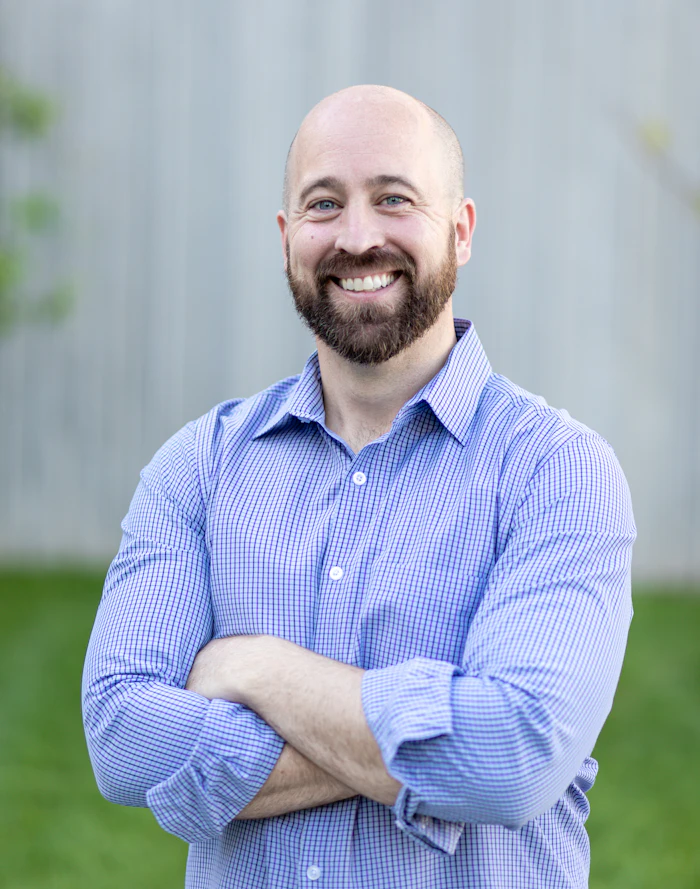
Dr Jamie Bovay, DPT and owner of KinetikChain Denver Physical Therapy and Unstoppable Red Light Health and Wellness. His facility integrates red light therapy to support cellular health, reduce inflammation, speed tissue healing, and patients using regular sessions report faster recovery, improved sleep, mood, energy, and athletic performance.
"In my practice we look at the body through the lens of Bio-Architecture. Many people view "aesthetics" as a surface-level pursuit, but as a physical therapist focused on longevity, I know that what happens on the surface is simply a reflection of the cellular integrity within the body. This is why non-invasive therapies like red light therapy (RLT)—or photobiomodulation—have moved from the athletic training room into the core of sophisticated skin and longevity routines," Dr. Bovay writes.
Rad Dr. Bovay’s full assessment of the treatment and how his practice has responded to the growing trend.
The Cellular Intersection: Recovery Meets Aesthetics
The overlap between athletic recovery and aesthetic skin health is found within our cells, and more specifically within the mitochondria, which are the powerhouse of our cells. When I use red light to treat a an athlete’s tendon or muscle, I am utilizing specific wavelengths (typically 630nm to 850nm) to stimulate the mithochondria, which in turn increases ATP (cellular energy) production and reduces oxidative stress—the "biological rust" that leads to both injury and aging.
For the skin, this same cellular "recharge" translates into increased collagen production and improved fibroblast activity that leads to less wrinkles and tighter looking skin. I like to say that what we do in physical therapy works on the body from the outside in, whereas what we are doing with red light works on the body from the inside out. We aren't just "fixing" a symptom; we are upgrading the cell’s ability to repair itself. Whether you are recovering from a marathon or a sunburn, the underlying requirement is the same: cellular energy and reduced inflammation.
The Shift Toward Device-Based Wellness
Patients are increasingly gravitating toward less invasive treatments like RLT before considering invasive cosmetic procedures because they are looking for whole body health, fewer potential downsides, and greater convenience. Since RLT performs all these functions and allows many additional health benefits it is being used more and more. Modern patients are savvy; they understand that a facelift on a tired body doesn't yield the same results as a body that is structurally and cellularly sound all over, as well as looks great.
Non-invasive devices allow for "pre-juvenation"—building a biological 401k for the skin. By addressing the vascular highway and inflammation through light therapy, patients can delay or even avoid more aggressive interventions.
Protocols for the 100-Year Body
In a longevity-focused routine, consistency beats intensity. For my patients, red light therapy is treated as a maintenance habit, much like Zone 2 cardio or strength training.
- Frequency: 3–5 sessions per week.
- Duration: 10–20 minutes, depending on the irradiance (light power) of the device.
- Integration: Many of our high-performers incorporate RLT into their morning routine—pairing it with nasal breathing to shift the nervous system into a parasympathetic (repair) state.
Final Takeaway
The future of aesthetics is holistic and preventative. By utilizing light-based therapies as well as general improvements in health and wellness, we aren't just chasing a glow; we are engineering a more resilient, structurally sound body. When you solve for cellular health, the aesthetic benefits become an inevitable byproduct of a body that is built to last.