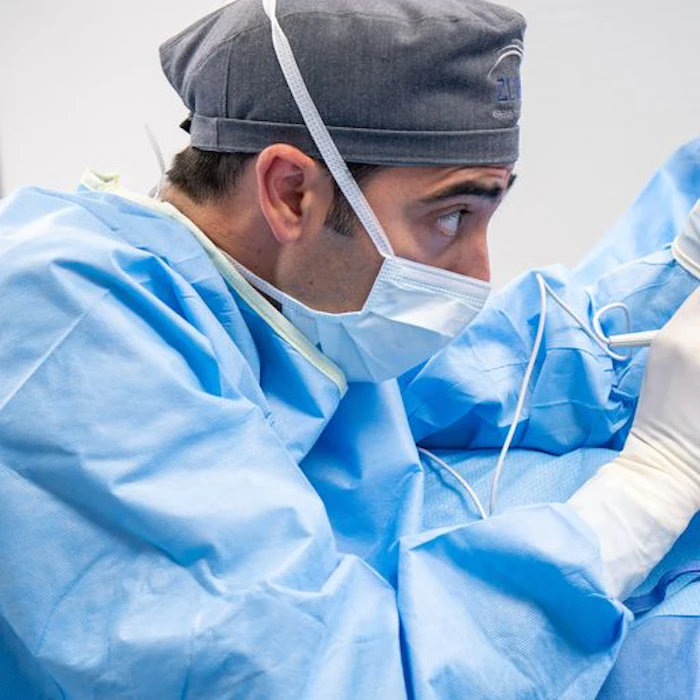
Aesthetic surgery is undergoing a paradigm shift. Advancements in technique, technology, biomaterials, and pharmacology are fundamentally transforming the field. Outcomes that are faster, safer and more individualized are now achievable, surpassing prior limitations.
Historically, aggressive techniques dominated the speciality. Today, there is a decisive shift toward tissue preservation and restoration with an emphasis on long-term function, vascular preservation, and authentic, natural aesthetics.
Related: Study Finds Gen Z Is Skipping Straight to Injectables
Modern patients are well-informed and have unparalleled access to information. This has led to a preference for natural-looking results with minimal downtime.
This alteration is driving innovation across both surgical techniques and technologies to meet patient demand, setting the stage for key technical and material advancements.
Advancements in Surgical Techniques
Recently, tissue-preserving approaches have gained prominence, as seen in preservation-based breast augmentation techniques such as Preservé by Motiva. These methods are less invasive and present a lower risk of complications.
Motiva implants combine a cohesive, shape-retaining gel with a smooth, biocompatible outer shell designed to minimize complications. These implants use a flow-able gel that adapts to the body’s position in real-time.
Related: Motiva Revolutionizes Breast Implant Safety & Appearance
Deep-plane facial techniques involve releasing and mobilizing facial fat pads and underlying musculature, rather than solely excising the skin as in traditional facelifts. By operating within the plane of the superficial muscular aponeurotic system (SMAS), these approaches produce results that are both more durable and anatomically appropriate.
These methods maintain native ligamentous structures, blood supply, and innervation.
Alloclae provides a non-invasive alternative to autologous fat grafting that does not require donor-site liposuction. This ready-to-inject collagen-based filler is suited for lean patients or those seeking subtle and smooth volumetric facial, hand, breast, buttock, and hip enhancement. In contrast to fat transfer, Alloclae eliminates the need for fat harvesting, making the treatment process more efficient.
Collectively, these innovative procedures result in improved healing and recovery, more natural movement and feel, and potentially longer-lasting outcomes. These surgical advancements dovetail with progress in devices and energy-based technologies.
Related: The $100,000 Butt Augmentation Explained
Innovations in Devices & Energy-Based Technologies
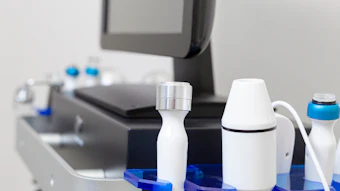
The integration of energy-based devices — including radio frequency, helium plasma, and CO2 laser technology— has expanded the surgeon’s ability to achieve skin tightening and address soft tissue laxity with greater precision. In select patients, these modalities obviate the need for more invasive excisional procedures.
Technologies such as subdermal RF and ablative resurfacing allow for customized, multimodal treatment plans by offering adjustable energy depths, targeting different skin layers, and combining mechanical and thermal effects to address multiple concerns in a single session. These technologies can be used together or sequentially to optimize results, enhance collagen production, and reduce recovery time compared to traditional methods.
Next-Generation Surgical Materials
There is increasing adoption of biologic scaffolds, which provide an inductive micro-environment promoting constructive remodelling in complex wounds, breast reconstruction, and abdominal wall repairs.
- GalaFLEX: Is a bioabsorbable, monofilament scaffold mesh used to support, reinforce, and lift soft tissues.
- Acellular Dermal Matrices (ADM): are sterile, de-cellularized scaffolds derived from human or animal skin, used in reconstructive surgery to support tissue regeneration and repair.
These adjuncts provide structural reinforcement of soft tissues and enhance the durability of surgical outcomes, particularly in breast and body contouring procedures. This represents a shift toward materials designed to integrate with native tissue rather than merely replace it.
Biologics & Regenerative Medicine
Biologics are increasingly playing a significant role in medical aesthetics.
- Platelet-rich plasma (PRP): Utilizes a patient’s own blood-derived growth factors to trigger natural tissue regeneration, collagen synthesis, and vascularization.
- Exosomes: Act as potent, non-invasive messengers that trigger cellular repair and regeneration.
- Autologous Fat Grafting: provides a natural, completely biocompatible method to restore volume, contour the body, and rejuvenate skin using the patient’s own fat.
All of these modalities enhance tissue quality, promote healing, and improve long-term outcomes. Fat grafting is evolving from a volumizing technique into a regenerative tool, reflecting a broader trend in the field.
Safety & Recovery Optimization
Safety is advancing through enhanced recovery protocols and therapies such as IV, red light, compression, cryotherapy, massage, and hyperbaric oxygen. Advances in anaesthesia prioritize patient comfort, minimize perioperative pain, reduce systemic toxicity, and accelerate postoperative recovery.
Improvements in minimally invasive adjuncts such as robotics, imaging, energy devices, and digital tools aim to reduce complications, accelerate recovery, and improve overall outcomes, while lowering costs and enhancing the patient experience.
This progress generally allows for shorter downtime, reduced complication rates, and safer outpatient procedures.
Personalization & Patient-Centered Care
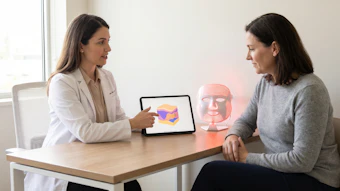
A collaborative, patient-centered approach now predominates, with treatments tailored to each individual’s anatomy, preferences, and genetic profile. This has catalyzed a movement toward highly individualized treatment plans that integrate both surgical and non-surgical modalities.
Technologies such as AI-driven 3D imaging, computer vision, and machine learning analyze facial anatomy and patient data to predict outcomes. This is being used to tailor procedures based on anatomy, goals, and lifestyle.
Future Outlook
In the future, patient demand will likely continue to focus on natural, long-lasting outcomes with minimal downtime. This ongoing shift may drive further development of tissue rejuvenation techniques and reduce reliance on temporary fillers as the integration of surgery, technology, and regenerative medicine advances.
Surgeons may increasingly face the challenge of choosing from a broader range of surgical and non-surgical treatments, including the need to formulate individualized treatment plans. This likely entails combining multiple approaches, personalizing care to fit each patient's lifestyle and aging goals, and adopting AI-assisted planning and imaging.
The primary aim moving forward will likely be to optimize outcomes while minimizing trauma. This could mean replacing aggressive surgeries with minimally invasive procedures, prioritizing tissue preservation, using regenerative medicine for better healing, and integrating technology to increase precision and enable individualized results.