Flavor and fragrance houses are racing to decode the biology behind human perception, pushing one of the industry’s oldest crafts into a new molecular era. Mane's January 2026 acquisition of ChemoSensoryx is a case in point, pairing the house's long-standing sensory creativity with a biotech platform reportedly capable of mapping exactly how aroma, taste and trigeminal molecules interact with human receptors.
The result could reshape how flavors and fragrances are discovered and designed—from decoding the receptor pathways behind sweetness and bitterness to engineering fragrances that influence emotion and sensates that deliver precisely tuned cooling, tingling or burn.
In this exclusive Q&A, Fanny Lambert, biotechnology department director at Mane discusses how receptor-level screening, high-throughput bioassays and predictive sensory modeling could potentially transform everything from taste modulation to next-generation fragrance performance.
Mapping the Molecular Signatures of Smell, Taste and Sensation
P&F+: Mane has long been a leader in sensory creation, but ChemoSensoryx specializes in the molecular mechanisms of receptors. How will integrating this "bottom-up" biotech approach change your traditional creative process for developing new molecules?
Lambert: ChemoSensoryx is an innovative biotech company with unique expertise in individually expressing the full range of human chemosensory receptors (specifically transmembrane receptors of the G protein-coupled receptor or GPCR family) in dedicated cell lines. These receptors are responsible for orchestrating odor, taste, and trigeminal perception in the brain.
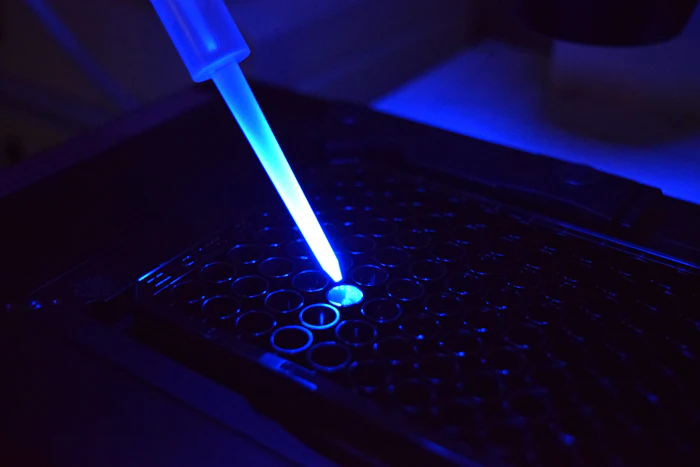
By combining this know‑how with a high‑throughput in vitro screening platform, ChemoSensoryx and Mane can precisely evaluate how large libraries of compounds, whether raw or purified natural extracts or synthetic molecules, interact with each of these receptors. This approach generates, for every compound tested, a comprehensive olfactogram: essentially a detailed olfactory, gustatory and trigeminal signature.
Beyond delivering exceptional analytical insight into flavor and fragrance perception, this technology enables the discovery of high‑value active ingredients for the F&F industry. This includes new agonists with highly specific sensory profiles; antagonists capable of blocking undesirable tastes, odors, or trigeminal sensations; and enhancer (or booster) molecules that amplify targeted sensory effects.
These advanced bioassays provide highly granular qualitative and quantitative data for every compound tested. They will strengthen our ability to optimize active ingredients for new formulations tailored to each market need—while also allowing us to reinvent, and sometimes simplify, sensory experiences that are traditionally complex or difficult to replicate.
Finally, in a regulatory environment that is constantly evolving, this platform will also support the identification of alternatives to compounds that may present challenges related to compliance, cost, or availability.
From Receptors to Reality: Engineering Flavor and Fragrance
P&F+: With ChemoSensoryx’s platform in receptor-based screening, which specific taste modulation area—sweetness, bitterness, or the more elusive umami and kokumi—do you expect to see the most immediate "leap" in precision for your customers?
Lambert: The structure and functioning of receptors fundamentally determine how sensory signals from food are detected and interpreted. This creates a direct molecular link between science and human taste perception. With the ChemoSensoryx platform, we will be able to rapidly and reliably assess the full spectrum of taste‑modulating signals: sweet, bitter, umami, salty, sour, and even kokumi.
These taste modalities do not operate in isolation. It is well established that they interact and influence one another, forming the essential architecture of human sensory perception.
Our first major challenge will be to understand which molecules activate which specific sensory pathways. But we will go well beyond simple receptor activation. We will explore the underlying mechanisms of taste modulation, including synergistic, suppressive, and enhancing interactions between signals.
By decoding these mechanisms at the molecular level, we aim to unlock entirely new dimensions of flavor creation and sensory innovation for our customers.
P&F+: You mentioned that olfactory receptor modulation will guide the design of fragrances to trigger targeted emotional and physiological responses. Does this acquisition signal a shift toward "functional" perfumery where scents are engineered for specific neurological outcomes rather than just aesthetic appeal?
Lambert: Perfumer creativity and consumer testing will continue to play a central role for the foreseeable future, they remain highly effective in an intensely competitive market.
However, with the acquisition of ChemoSensoryx, Mane is entering a new dimension of ingredient visualization and understanding. Their platform gives us deeper insight into how consumers perceive specific molecules, how these ingredients can deliver additional functionalities, and how they can be combined to design fragrances with more intentional effects.
Rather than signaling a shift away from aesthetics, this technology enriches our creative process. It allows us to complement artistic perfumery with a more detailed scientific understanding of olfactory receptor modulation, opening new possibilities for fragrances designed not only to smell beautiful but also to evoke targeted emotional or physiological responses.
Engineering Sensation: The Next Frontier of Cooling, Tingling and Fragrance Bloom
P&F+: The trigeminal receptor is the frontier for cooling, tingling, and burning sensations. How will this biotech expertise enhance your current research into "sensates," and what kind of unique consumer experiences can we expect to see in the oral care and beverage categories?
Lambert: The trigeminal system is fundamental to how we perceive cooling, tingling, and burning sensations. These effects are mediated by specific ion channels such as TRPM8, TRPA1, and TRPV1. At Mane, we have already identified key molecular targets within these pathways and are developing active compounds that can selectively modulate them.
The integration of ChemoSensoryx will significantly accelerate and strengthen this research. In addition to validating our existing targets, their platform gives us access to unexplored trigeminal mechanisms and under‑characterized receptors involved in chemesthetic perception. This broadens our innovation landscape in a meaningful way.
For categories like oral care and beverages, this will translate into a new generation of sensory experiences—longer-lasting freshness, more precisely tuned tingling, and dynamic, multi‑layered sensations that evolve during consumption
P&F+: Technologies like FRESHPLEX and POWERBLOOM rely on high-performance odor control and release. How will predictive modeling from ChemoSensoryx allow Mane to more accurately tailor the "bloom" and "last" of a fragrance within complex chemical bases like laundry or hair care?
Lambert: When referring to Mane FRESHPLEX, it is important to note that this technology will increasingly benefit from ChemoSensoryx’s capabilities, particularly in blocking the perception of unpleasant odors or off‑notes at the receptor level.
By gaining a precise understanding of how fragrance molecules interact with olfactory receptors, we will be able to modulate odor perception in ways that were simply not possible before. This means we can intentionally design fragrances using antagonist, agonist, and enhancer molecules, while still leveraging our deep knowledge of ingredient performance across all major applications, from Fine Fragrance to Hair & Body Care and Laundry Care.
Ultimately, this know‑how will enhance the performance of our POWERBLOOM and POWERLAST technologies, enabling us to deliver more controlled, longer‑lasting, and more precisely tuned fragrance experiences.