The Be+Well Beauty & Wellness Show 2026 took place from June 27, 2026 in Vegas and was a massive success, as it brought together thousands of salon owners, stylists, therapists, educators, distributors and global brands in one place to network.
Formerly known as the International Beauty Show (IBS) and the International Esthetics, Cosmetics, and Spa Conference (IECSC), the revamped event brought together the two B2B platforms into one event focused on the future of beauty, spa, wellness and aesthetics.
 OxygenCeuticals skincare product display booth
The biggest beauty and aesthetics distributors brought their latest products and hosted launches across various treatment and procedure fields, offering both education and promises of the best and latest in wellness care.
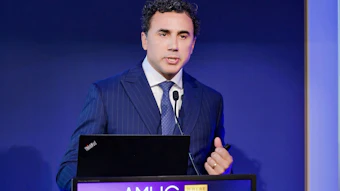
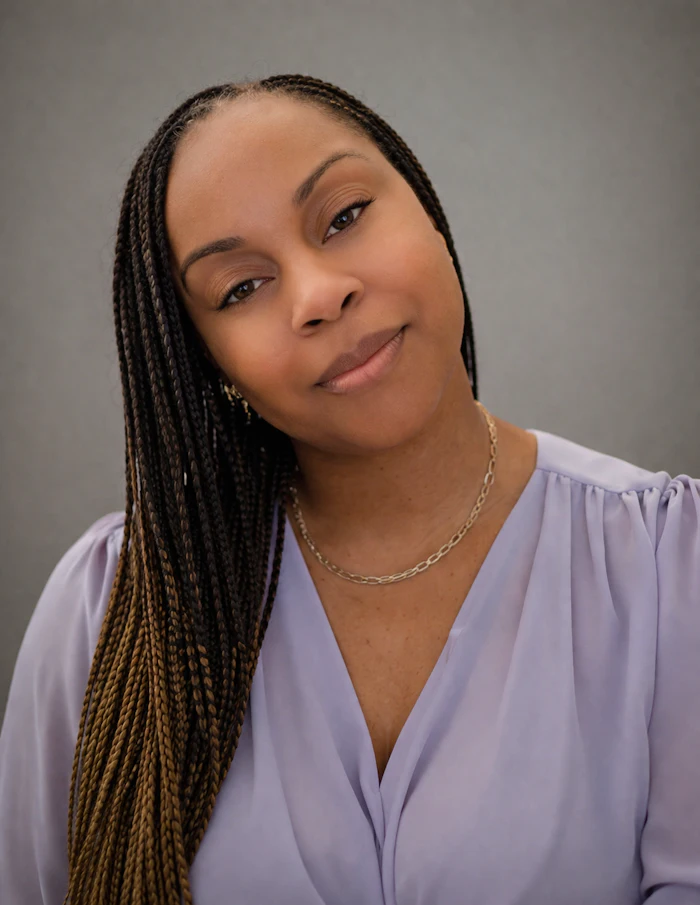
Managing Associate Editor of MedEsthetics, Joshua Eferighe, caught up with Toshiana Baker, a licensed esthetician of two decades and international educator, to discuss some of the products and conversations that stood out.
Related: Be+Well Opens, Merging IBS and IECSC Into One Industry Event
In a robust Q&A, they discuss everything from the wellness movement happening in the aesthetics industry and the difference between non-invasive devices like cold plasma and microneedling to private equity's interest in the medspa space.
 TRIUM LaserTRIUM
The wellness shift
Over the past few years, aesthetics seems to have evolved beyond appearance-focused outcomes toward supporting overall skin health, longevity and even emotional well-being. From your perspective, what's driving that shift? And how does it change the role of more traditional aesthetic treatments like lasers, injectables and other medically driven procedures?
I don't think people have become less interested in looking good. I think they've become more interested in feeling well, and they're beginning to recognize that those two things aren't as separate as we've traditionally treated them.
Today's clients are living with unprecedented levels of chronic stress, poor sleep, hormonal fluctuations, inflammatory lifestyles, and nervous system dysregulation. We see it every day in practice, not just in their skin, but in how they respond to treatment; how quickly they recover, and how long their results last. Healthy skin isn't created in isolation from the rest of the body.
That's changing the conversation from correction to regulation.
Rather than asking only, "How do we erase this wrinkle or pigment?" we're increasingly asking, "What conditions does this skin need in order to function optimally?" That's a much more holistic question, but it's also a more scientific one because we know the skin is deeply connected to the nervous, immune, endocrine, and vascular systems.
I don't believe this diminishes the role of lasers, injectables, or other medical aesthetic procedures. Quite the opposite. These technologies remain incredibly valuable, but they're no longer the entire story. Ultimately, I think we're moving from an industry focused primarily on changing appearance to one focused on supporting human vitality. When we create the right biological and emotional conditions for skin health, better aesthetic outcomes often follow naturally.
Neurocosmetics
ME: Neurocosmetics has become one of the industry's biggest emerging conversations, focusing on the relationship between the skin, nervous system and emotional well-being. Beyond marketing claims, what does the science actually support today? What ingredients or technologies do you think have the most promise?
The science is moving well beyond the idea that neurocosmetics are simply products that "make you feel good." We now have growing evidence that the skin and nervous system are in constant communication through shared signaling pathways, neuropeptides, neurotransmitters, and the skin's own sensory receptors. That opens exciting possibilities for supporting both skin function and the overall treatment experience.
 InstaMed Peptides
Interestingly, I also think neurocosmetics is bringing us back to basics. It's encouraging us to take a fresh look at many of the botanicals, herbs, and aromatic plant extracts that have been used for centuries. What's changing is that we're beginning to understand the biological mechanisms behind why certain ingredients may help calm inflammation, support the skin barrier, or influence the sensory experience. Science is giving us a new language to explain what traditional practices have observed for generations.
I'm excited by ingredients that help regulate inflammation and strengthen the skin barrier, but I'm equally interested in new technologies and modalities that engage the senses.
Products getting it right
ME: Are there any brands or product categories that you think are approaching neurocosmetics in a particularly credible, evidence-based way? What separates meaningful innovation from marketing hype?
 The ThermoCeutical NEXO EG BoosterBe+Well Beauty and Wellness Conference
Rather than pointing to individual brands, I think it's more helpful to look at what separates credible neurocosmetic innovation from compelling marketing.
The brands getting it right start with established skin biology. They understand that healthy barrier function, inflammation, and the skin's communication with the nervous system are interconnected. Their claims are grounded in published research, thoughtful ingredient selection, and realistic outcomes—not the promise of changing emotions through a cream alone.
I'm also encouraged by product categories that combine topical skincare with a more intentional treatment experience. Professional rituals that incorporate therapeutic touch, aromatherapy, or other sensory elements acknowledge that how a client experiences a treatment matters alongside what we apply to the skin.
For me, the biggest differentiator is whether a product or treatment respects the complexity of the skin-brain connection. If a brand oversimplifies the science or makes exaggerated emotional claims, that's a red flag. Meaningful innovation is transparent about what we know, honest about what we're still learning, and committed to advancing both the science and the client experience.
Medical aesthetics and skincare convergence
ME: We're seeing increasing consolidation across aesthetics and skincare through private equity investment and acquisitions, while more skincare brands are positioning themselves within the medical aesthetics space. How do you see the relationship between professional skincare and medical aesthetics evolving over the next five years? What opportunities—or challenges—does that create for estheticians and medspa owners?
I see professional skincare and medical aesthetics becoming increasingly interdependent.
Medical procedures can produce remarkable results, but they're only one part of the client's journey. Preparing the skin beforehand, supporting healing afterward, maintaining barrier function, and creating long-term skin health all require skilled professional skincare. That's where estheticians bring tremendous value.
I also think client expectations are evolving. People aren't looking for a collection of disconnected services; they're looking for an integrated plan that helps them look and feel their best at whatever stage of life they are in. That creates an opportunity for stronger collaboration between physicians, nurses, and estheticians.
Over the next five years, I think the most successful practices won't be defined by the devices they own, but by how well they integrate technology with thoughtful treatment design and exceptional patient care. The future belongs to teams that recognize great outcomes are achieved through collaboration—not competition.
Treating scars
ME: Scarring was one of the recurring themes throughout Be+Well, yet there are countless devices and treatments claiming to be the best solution. Is there ever a true gold-standard approach for acne scars, pigmentation or traumatic scars, or should treatment always be individualized?

The gold-standard approach is the assessment.
Not all scars are biologically the same, even if they look similar. The type of scar, skin tone, inflammatory history, barrier health, lifestyle, healing capacity, and the client's goals all influence treatment decisions and outcomes. That's why successful scar revision is rarely about finding the "best" device. It's about choosing the right intervention for the right person at the right time. The most effective technologies are those that allow practitioners to deliver adaptive care—adjusting treatment to the individual rather than expecting every individual to respond to the same treatment.
 Cold Plasma Therapy
The best outcomes typically come from combining evidence-based technologies with consistent skincare, sun protection, and realistic expectations. Individualized care is essential.
Microneedling vs. nano infusion vs. microchanneling
ME: I've heard conflicting opinions at the show. Some companies argue that nano infusion or microchanneling makes traditional microneedling unnecessary because it delivers ingredients without creating injury. Others say controlled injury is still essential for collagen remodeling. How do you interpret the evidence, and how should providers decide which approach is appropriate for each patient?
I think some of the conflicting opinions reflect the fact that companies are naturally trying to differentiate their technologies. It's important to remember that these modalities aren't designed to accomplish the exact same thing.
Procedures like microneedling intentionally create controlled injury to stimulate the body's wound-healing response and collagen remodeling. Nano infusion and many microchanneling approaches, depending on the device and needle depth, may focus more on enhancing product penetration while minimizing tissue injury. They're different mechanisms with different clinical objectives.
The question shouldn't be, "Which is better?" It should be, "What are we trying to achieve?" Treatment goals, skin condition, healing capacity, downtime tolerance, and even scope of practice should all influence that decision.
I don't see these technologies as competing with one another. I see them as different tools within a larger treatment strategy. The most appropriate approach is the one that safely meets the client's needs while remaining within the provider's training, licensure, and scope of practice.
The nervous system as the next frontier
ME: During your presentation, you described the nervous system as an important part of skin health. Do you think nervous system regulation will become as fundamental to esthetic education as anatomy and skin physiology? What knowledge will future estheticians need that previous generations didn't?
I do. I believe understanding the nervous system will become as foundational as anatomy, skin physiology, and ingredient science—not because it's replacing those subjects, but because it helps connect them.
I don't see this as a passing trend. I think it's giving us new language to describe what many experienced estheticians have observed for years: that stress, sleep, emotion, inflammation, healing, and skin health are deeply interconnected. In many ways, the nervous system isn't changing skin biology—it's changing how we understand skin biology. It's encouraging us to focus on what really matters rather than viewing the skin as an isolated organ.
Future estheticians will still need a strong foundation in skin biology, but they'll also benefit from understanding the skin-brain connection, stress physiology, sensory science, and how the treatment environment influences client outcomes. That doesn't mean becoming neuroscientists. It means recognizing that every treatment is both a biological and human experience.
To me, that's where our profession is headed. The more we understand the whole person, the better equipped we'll be to care for their skin.
Measuring success
ME: Many neurosensory benefits—like reduced stress, better sleep or improved emotional well-being—aren't as visible as before-and-after photos. How should practitioners measure success when delivering these kinds of treatments?
Visible improvements will always matter, but I think our definition of success is expanding.
Of course we should continue documenting changes in the skin through photography, measurements, and clinical outcomes. But we should also pay attention to outcomes the client experiences. Are they sleeping better? Do they feel more relaxed? Is their skin less reactive? Are they more consistent with home care because the treatment helped them reconnect with self-care?
Some of these outcomes can be measured through validated questionnaires, treatment journals, or simple client-reported assessments. Others are reflected in long-term retention, trust, and overall well-being.
Ultimately, success isn't just about what we can see in a before-and-after photo. It's about whether we've created meaningful, lasting improvements in both skin health and quality of life. I think that's where the profession is headed.
The spa of the future
ME: You spoke about adapting treatments for clients managing chronic illness, autoimmune conditions or recovery from medical procedures. How do you see spa treatment rooms evolving over the next decade to better support these clients while remaining within an esthetician's scope of practice?
I think the spa of the future will be designed less around standardized treatments and more around adaptive care.
We're seeing more clients living with chronic stress, autoimmune conditions, cancer survivorship, hormonal changes, and medically complex histories. They don't necessarily need more aggressive treatments. Instead, they need practitioners who know how to adapt treatments safely while creating an experience that supports restoration, comfort, and resilience.
That doesn't mean estheticians step outside their scope of practice. It means becoming better at intake, communication, treatment modifications, environmental design, and, when appropriate, collaborating with other healthcare professionals.

I also think we'll become much more intentional about the treatment environment itself. Lighting, sound, scent, temperature, touch, and pacing aren't just amenities. They're part of the client experience and can influence how safe, supported, and comfortable someone feels.
Ultimately, I believe the spa of the future won't simply be a place where we treat skin. It will be a place where we thoughtfully care for people through the lens of skin health, always respecting the boundaries of our profession while recognizing the whole person in front of us.
Biggest misconception
ME: What's the biggest misconception you hear about neurocosmetics, psychodermatology or sensory-based facial treatments? What's one thing you wish every esthetician understood before incorporating these concepts into their practice?
The biggest misconception is that neurocosmetics, psychodermatology, and sensory-based treatments are separate trends. I see them as different lenses through which we understand the same reality; that the skin doesn't function in isolation from the brain, the nervous system, or our lived experiences.
Neurocosmetics helps us better understand skin-brain communication. Psychodermatology reminds us that emotional health and skin health influence one another. Sensory-based treatments apply those principles by intentionally designing experiences that support both the skin and the nervous system. Together, they're encouraging us to think more holistically about skin health.
The one thing I wish every esthetician understood is that this isn't about adding another device or following another trend. It's about strengthening your clinical thinking. In many ways, the nervous system isn't changing skin biology—it's changing how we understand skin biology.
At its core, this movement isn't about making esthetics more complicated. It's about making our care more thoughtful, more intentional, and more responsive to the individual sitting in front of us.