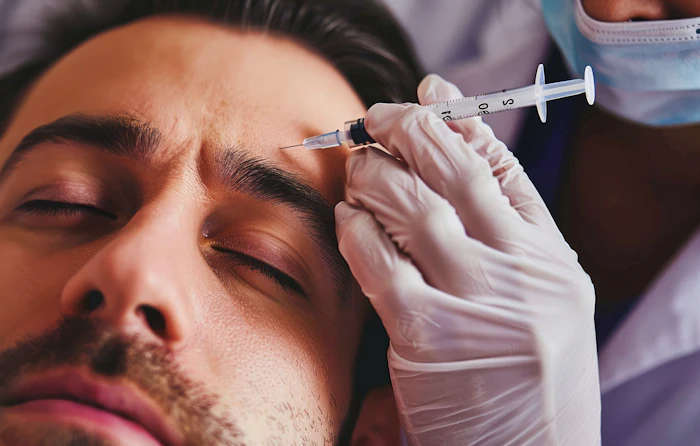
On October 1, 2026, healthcare data and intelligence provider Guidepoint Qsight released a new report, The Brotox Boom: U.S. Male Neurotoxin Spend Hits Record High, showing that American men are spending more than ever on neurotoxin treatments such as Botox, with the average male transaction reaching $529 in the third quarter of 2026, the highest figure recorded to date in nearly five years of tracking.
“The findings offer one of the clearest looks yet at how ‘Brotox,’ the informal term for male neurotoxin use, is evolving from a niche curiosity into a measurable and geographically concentrated consumer trend,” notes Erik Haines, Managing Director of Guidepoint Qsight. “We've known anecdotally for a few years that male patients were becoming a bigger part of the neurotoxin conversation. What's been harder to pin down is exactly how their spending behaves once they're in the chair: this research confirms for medical aesthetics practices that they're paying more, getting more, and where, geographically, that behavior is concentrated.”
Related: The Rise of 'Brotox' and Why More Men Are Embracing Aesthetics
"For practices, the takeaway is that men are spending differently, not just more," said Erika Sheyn, SVP of Aesthetics at Guidepoint Qsight. “A male patient walking in for neurotoxin treatment today is more likely to leave with a larger dose in a single visit than his female counterpart, which has real implications for how practices think about service packaging and pricing for this segment. And the regional concentration we're seeing in the West suggests this trend is anything but uniform nationally. Practices in different parts of the country are looking at very different male patient bases right now. We’ll be keeping an eye on how things change.”
The new report draws on Qsight's proprietary patient transaction data to give aesthetic practitioners a clearer picture of male neurotoxin spending patterns from 2022 through the third quarter of 2026 thus far. Guidepoint Qsight’s patient transaction data provides a unique look into how American males are connecting with medical aesthetics and medical-grade beauty. Haines continued, "According to our data, men aren't paying a premium for the same treatment women receive. They're paying the same price per unit but simply receiving 10 to 15 percent more units per visit, on average."
Report findings include:
- Why the male spending premium comes entirely from dose, not price, with men receiving 10 to
- 15% more units per visit at the same per-unit cost as female patients
- A four-year narrowing of the gender spending gap, from nearly 20 percent in 2022 to under 13 percent in early 2026, followed by a sharp reversal to over 16 percent in Q3 2026
- Regional concentration of male neurotoxin spending in the West, where men account for a meaningfully higher share of spend than women, a gap that has widened over the past year
- Where male and female patients diverge generationally, with men skewing more heavily toward Gen-X and Millennial patients even as Boomer and Gen Z shares remain nearly identical between genders
- What the record $529 average male transaction size means for how medical aesthetics practices price, package, and market neurotoxin treatments to men
To download the full report, please visit:
https://qsight.guidepoint.com/the-brotox-boom-male-neurotoxin-spending-hits-record-high/