Wellness has quickly moved from an ancillary service offering to a significant growth category within aesthetic medicine.
According to Qsight's analysis of more than 33,000 aesthetic practices, 50% now mention wellness on their websites, and more than 6,000 practices reference longevity in their positioning. At the same time, medical weight loss and GLP-1 programs grew 55% year over year in 2024, making them the fastest-growing category in medical aesthetics.
Related: 5 Key Industry Benchmarks Your Aesthetic Practice Should be Measuring
The demand is evident. Patients are seeking solutions that address weight management, hormone health, energy, metabolic performance, healthy aging, and longevity alongside traditional aesthetic concerns. What remains less clear for many practice owners is how to build a wellness program that contributes meaningful revenue, supports patient outcomes, and integrates successfully into the overall business model.
The practices generating the strongest results are not simply adding wellness services to their menu. They are building structured programs, creating recurring revenue opportunities, and developing systems that support long-term patient engagement.
Wellness Is Expanding the Patient Relationship
For years, aesthetic practices have focused primarily on episodic treatment revenue. A patient receives a consultation, purchases a treatment, completes the treatment or a series of visits, and returns when another need arises or goes someplace else.
Wellness creates a different dynamic. Many wellness services require ongoing monitoring, coaching, accountability, follow-up care, and reassessment. Instead of interacting with patients a few times a year, practices can engage with them consistently throughout their health and aesthetic journey.
Related: 7 Revenue Optimization Opportunities for Medical Aesthetics in 2025
This shift creates significant business advantages. As patient acquisition costs continue to rise, increasing patient lifetime value has become one of the most important drivers of profitability. Wellness programs support retention, create recurring revenue, and strengthen patient loyalty in ways that many traditional treatment models cannot.
They also align naturally with the motivations of today's aesthetic patient. The individual seeking facial rejuvenation may also be struggling with weight gain, fatigue, poor sleep, hormone imbalance, or declining energy levels. Patients increasingly want providers who understand the connection between appearance, health, and overall functional health.
Building a Wellness Program Around Outcomes
One of the most common mistakes practices make is building a wellness offering around treatments rather than patient objectives.
Hormone replacement therapy, peptides, IV therapy, nutritional counseling, medical weight loss, and supplements each have value on their own. However, presenting services as individual options often creates confusion and limits patient commitment.
Patients are not looking for a peptide protocol. They are looking for more energy. They are not seeking a metabolic assessment. They want help losing weight. They are not necessarily interested in hormone optimization itself. They want to sleep better, improve their performance, and feel like themselves again.
Successful wellness programs are organized around outcomes. Performance and energy optimization, weight and metabolic health, healthy aging, and longevity are examples of frameworks patients understand. Once the objective is established, providers can build recommendations that combine multiple services into a comprehensive plan.
This approach not only simplifies decision-making for patients but also creates more meaningful treatment strategies and higher-value care plans.
The Most Profitable Practices Don't Sell Treatments. They Present Comprehensive Treatment Plans
Many practices continue to sell wellness services individually. While individual transactions generate revenue, they rarely maximize patient outcomes, engagement or financial performance.
The most successful wellness programs are built around structured packages that include multiple touchpoints, measurable milestones, ongoing assessments, and clearly defined objectives.
Examples include:
- Twelve-week metabolic reset programs
- Six-month hormone optimization programs
- Executive performance programs
- Healthy aging memberships
- Annual longevity programs
When services are packaged together, patients gain a clearer understanding of the process and expected outcomes. Providers can monitor progress more effectively, and practices benefit from greater continuity of care.
Packaging also creates greater financial predictability. Rather than relying on individual transactions, practices establish recurring revenue streams that support long-term growth.
The Consultation Is Where Revenue is Won or Lost
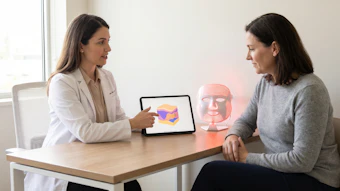
In many practices, the greatest opportunity for growth lies in the consultation. My team and I work with practices all over the world and what we find is that the consultation is the single most important revenue generating event in an aesthetic/wellness practice. Every marketing dollar, referral, website inquiry, and phone call is ultimately won or lost in that conversation. This challenge becomes even more pronounced with wellness. Unlike a single aesthetic treatment, wellness often requires a longer-term commitment. Patients need education, a clear path, and confidence in both the recommendation and the expected outcome.
Yet many providers spend the majority of the consultation discussing treatments rather than understanding the patient's goals, frustrations, and motivations.
Effective wellness consultations focus on identifying:
- Primary health concerns
- Lifestyle challenges
- Previous treatment experiences
- Personal and professional goals - The WHY
- Desired outcomes
These conversations establish the foundation for a treatment plan that feels personalized, relevant, and actionable.
The consultation should not function as a presentation of services. It should provide patients with a clear understanding of where they are today, where they want to go, and how the recommended program will help them get there.
Why Selling One Treatment is Costing You In Lifetime Value
Once goals are identified, the next step is creating a comprehensive treatment plan. Patients should leave the consultation with a roadmap that outlines recommended services, products, timelines, expected milestones, expected results, follow-up schedules, and investment.
This is an area where many practices continue to underperform. When recommendations are presented individually, patients often purchase only part of what is needed. When recommendations are positioned within a comprehensive strategy, patients are more likely to understand the value of the entire plan. If they want a certain outcome, the protocol to achieve that is….and here is why.
Practices that take a comprehensive treatment planning approach consistently outperform those presenting individual services. Patients gain a clearer understanding of the recommended strategy, providers deliver more coordinated care, and practices typically see stronger treatment acceptance and higher overall case value.
When patients understand the rationale behind a recommendation and how each component contributes to their desired outcome, they are more likely to move forward with confidence.
Measuring What Matters
A wellness program should be managed with the same level of operational discipline as any other profit center within the practice.
Too often, practices launch wellness initiatives without defining success metrics.
Key performance indicators should include:
- CAC (Customer Acquisition Cost)
- Consultation conversion rate
- Program enrollment rate
- Average patient value
- Membership retention
- Follow-up compliance
- Recurring revenue percentage
- Patient retention rate
Without measurement, it becomes difficult to identify performance gaps or understand which programs are producing the strongest return.
The most successful wellness programs are supported by training, clear systems, accountability, and ongoing performance tracking.
Wellness and Aesthetics Are No Longer Separate Conversations
One of the most important shifts occurring across the industry is the growing convergence of aesthetics and wellness.
Qsight identified the integration of aesthetics and wellness as one of the defining trends shaping the industry in 2026. Patients increasingly expect providers to address both appearance and overall well-being rather than treating them as separate concerns.
This creates opportunities throughout the patient journey. A patient enrolled in a medical weight loss program may later pursue body contouring procedures. A hormone optimization patient may become interested in regenerative or aesthetic treatments. An aesthetic patient may uncover wellness concerns during a comprehensive consultation.
Practices that understand these connections are better positioned to increase patient lifetime value while delivering a more comprehensive experience.
Looking Ahead
Wellness is no longer a niche service category. It has become a meaningful business opportunity for practices looking to diversify revenue, strengthen patient relationships, and create more predictable growth.
The practices achieving the strongest results are approaching wellness strategically. They are building programs instead of individual services, developing comprehensive treatment plans, measuring performance through clear KPIs, and creating systems that support long-term engagement.
As patient expectations continue to evolve, wellness will play an increasingly important role in how aesthetic practices grow and differentiate themselves. The opportunity extends beyond adding new services. It is about creating a model that supports better patient outcomes, stronger retention, increased lifetime value, and sustainable revenue growth.