Aesthetic medicine has a structural problem that nobody inside it likes to talk about. The whole field is built around individual transactions. You see a surgeon for surgery, an injector for Botox, an aesthetician for skincare, and maybe a fourth person for hormones or wellness. Each of those providers might be genuinely great at what they do, but none of them are talking to each other, and a patient ends up having to coordinate their own care between offices that never compare notes. I’ve watched this happen for years, and it’s never made sense to me.
Fulcrum was built as a direct response to that. The Fulcrum Method is just the name we gave to how we actually practice: surgery, aesthetics, wellness, and recovery handled by one team working from one plan, because the outcome you see at six months depends on all of it, not just what happens in the operating room.
Related: Why Aesthetic Practices Need a Daily 15-Minute Team Huddle
You Should Still Look Like You
I have a belief that underlies everything else I do surgically, and I don't compromise it. Good aesthetic surgery preserves identity. I'm not interested in giving anyone a different face. I'm interested in giving you the best version of the one you have.
The compliment I want my patients to hear afterward is not "you look different." It's "you look incredible, but I can't figure out what changed." When a patient tells me their friends keep saying that, I know we got it right.
That result doesn't come from technique alone. Every face has its own architecture and its own story, and the patient sitting in my consult room has specific reasons for being there that no template accounts for. I don't do cookie-cutter operations and I don't chase beauty trends, mostly on principle but partly because trends age terribly. My job is to understand what you actually want, study what you're working with, and build the operation around your anatomy. Some of it is surgical judgment, some of it is an eye for proportion and balance, and a surprising amount of it is just careful listening.
Related: Tricoci Reimagines the Modern Beauty Destination with Medspa Debut in Oak Brook
Overdone work can be seen from across the room. The best results simply read as “wow”, and most people can't articulate why.
Surgery Is the Beginning, Not the Destination
Most patients treat an operation as the finish line. Get through surgery and you're done. I see it almost exactly backwards. The day of surgery is the day the real work starts, because everything that determines how your result matures happens afterward.
Healing is an active biological process. Inflammation, collagen remodeling, new blood vessel formation, lymphatic drainage, tissue regeneration, all of it unfolding over weeks and months after you've left my operating room. I can execute a technically flawless operation, but a neglected recovery will cost you a meaningful piece of that result. That bothers me enough that we refuse to leave recovery to chance.

One Team, One Plan
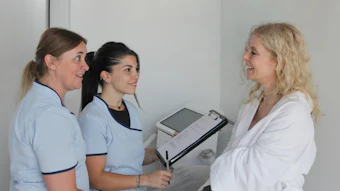
When you come to Fulcrum you're not just getting a surgeon. Sure we have a whole plastic surgery team, but we work alongside aesthetic injectors, licensed aestheticians, laser specialists, and wellness providers who handle hormone optimization, menopause care, sexual wellness, and regenerative therapies. Everyone is under one roof, everyone talks to each other, and everyone is working from the same treatment philosophy instead of guessing what the last provider was thinking or doing.
In practice that might mean optimizing your skin quality before surgery so you're healing on a healthier foundation, or adding laser work and wellness therapies that support recovery, or building a longer-term plan with neuromodulators, collagen-stimulating treatments, or resurfacing to protect the result you paid for.
Nothing at Fulcrum gets recommended just because we happen to offer it. If a treatment doesn't serve your surgical outcome or your long-term goals, you will not hear about it from us. Every recommendation has to earn its place in your plan, and our team knows we hold them to that.
The Recovery Package
Since recovery is the most overlooked lever in surgical outcomes, we’ve stopped treating it as a patient's problem to solve. Every surgical patient at Fulcrum receives a comprehensive post-operative recovery package, and it's opt-out rather than opt-in because I believe in it that strongly.
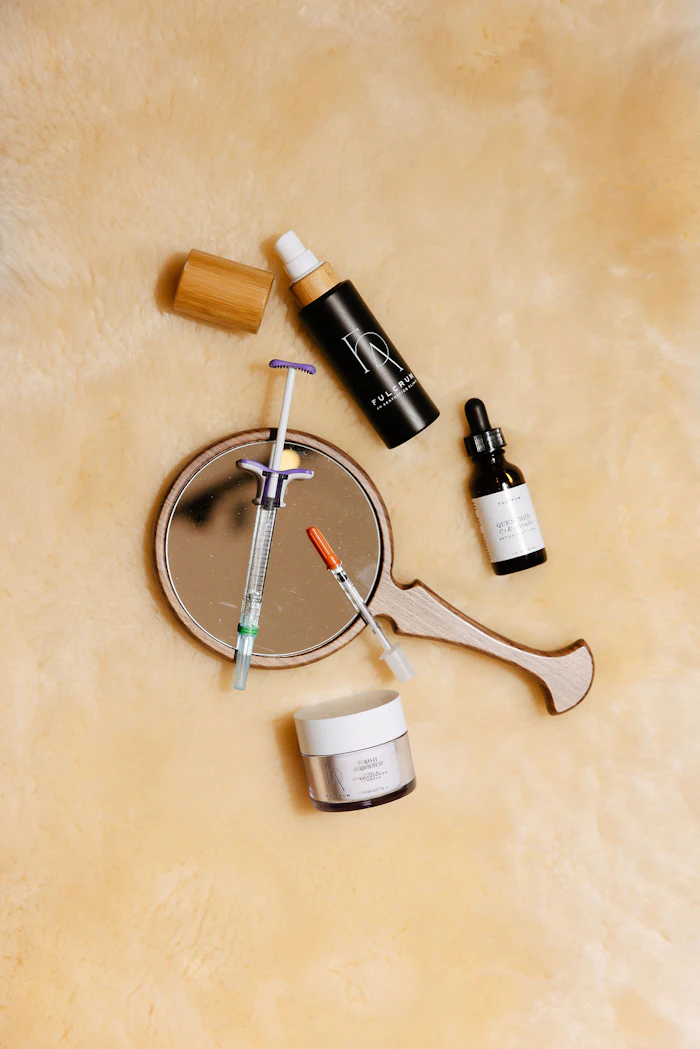
Instead of going home to sort through conflicting advice from the internet, you leave with a physician-curated system built to support tissue repair, control inflammation, minimize bruising and swelling, promote collagen production, guide scar remodeling, and protect your skin through every phase of healing. It comes with detailed education and ongoing clinical follow-up, so you're never guessing about what's normal and you're never navigating it alone. Recovery at Fulcrum is not a waiting period. It's where we actively protect and optimize the result we just created together.
After the Healing
The Method doesn't stop when the incisions fade. Many of our patients transition into personalized maintenance plans that might include advanced skincare, energy-based treatments, injectables, hormone care, or regenerative therapies. Not because more is better, but because maintaining a great result is far smarter than trying to recreate one years later.

The Standard I Hold Myself To
Technical excellence in the operating room is the price of admission in this field. It's necessary and it's nowhere near sufficient. The outcomes I'm most proud of came from honest conversations, individualized planning, collaboration between providers, intentional recovery, and a long-term partnership with the patient.
That's the Fulcrum Method. It isn't a protocol so much as a commitment to treating the whole patient instead of just performing the surgery, because the best results aren't truly decided in the operating room. They're shaped by everything that comes before it, and everything that follows.