As demand for both surgical and non-surgical aesthetic treatments continues to grow — with facial cosmetic treatments increasing by 19% last year — there has never been a better time for medspa owners and medical practitioners to revitalize the next step in aesthetic treatments that is sometimes lost in translation or overlooked: recovery[1].
Chicago and New York City-based double-board-certified facial plastic surgeon Dr. Anil R. Shah is putting that often-overlooked phase of the patient journey at the center of his new guidebook, The Art of Recovery.
Drawing on years of clinical expertise and research, Dr. Shah introduces a modern approach to post-procedure care that moves beyond traditional recovery protocols. Recovery is a “toolbox” for the future of aesthetics, according to Dr. Shah, and the book shows how preparation, nutrition, and emerging technologies work together to support healing after both surgical and non-surgical treatments.
From the role of supplements and injectables to innovations such as red light therapy and hyperbaric oxygen, Dr. Shah provides patients with practical, evidence-based strategies while also serving as a forward-looking resource for physicians seeking to elevate standards of care.
MedEsthetics spoke with Dr. Shah about the thinking behind The Art of Recovery and what a more intentional approach to recovery could mean for aesthetic practices and their patients.
The philosophy and fundamentals of recovery
What prompted you to write The Art of Recovery, and what did you feel was missing from the conversation around the topic?
So one of my personal missions is to make recovery as easy and seamless as possible. I see patients with months and months of recovery, which makes them miss out on work, opportunities and life. Another area of interest is biohacking, where I’ve worked with supplements and peptides, and some of the leading edge recovery devices in the world. For years, my patients have had a distinct advantage, allowing them to return to work oftentimes in 1 to 2 weeks and be event-ready in one month. I wanted to share a guide with patients to help them have consistent healing. The more patients who can have safer, faster, recoveries the better.
Classically, before surgery, patients are told to avoid blood thinners and essentially just show up. Now, we have distinct protocols, proven to help patients heal faster and have more predictable outcomes. This includes diet, supplements, red light therapy, HBOT. I felt like this information was fragmented, and having a unifying source would make it much more cohesive for patients to recover from surgery.
One of the themes explored in the book is that red light therapy is a must-have. How does the device support the body’s recovery after an aesthetic procedure? What makes it better?
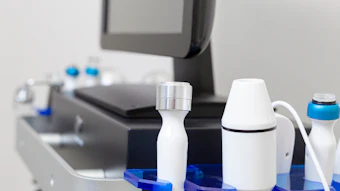
I am very enthusiastic about photobiomodulation, or red and near-infrared light therapy, because it is an unusual recovery tool: it attempts to influence the biology of healing without creating additional tissue injury. Photobiomodulation is thought to act partly through mitochondrial signaling, particularly pathways involving cytochrome c oxidase. That can influence cellular energy production as well as downstream inflammatory and repair signaling.

What role does the skin barrier play in recovery, and what are some of the ways post-procedure routines can either support or interfere with that process?
Most patients and some physicians forget to realize that skin is a living tissue. Post procedure, non-occlusive treatments can help the skin stay hydrated without clogging pores and causing comedones. In addition, treatments such as growth factors and exosomes have been used to help patients heal much faster and take recovery down at least 50%.
Where does infection prevention fit into the larger recovery conversation, and what do you think practitioners sometimes underestimate when it comes to post-procedure infection control?
Infection prevention is fundamental because healing tissue has temporarily lost some of its normal defenses. A simple fix is that many patients are protein deprived. Multiple studies show that patients with less protein will actually be prone to infection and heal worse. Another nice fix is that taking powder greens and microgreens can help stimulate your immune system. Blue light therapy can help disinfect superficial tissues. In addition, hyperbaric oxygen is one of the best treatments for preventing and treating infections.
How important is patient education once they leave the treatment room, and what should practitioners be communicating about recovery that patients may not think to ask about?
It’s clear that patients with poor postoperative care will have worse outcomes, even from a world-class surgeon. We want our patients actively engaged in the process. Even our patients who elect to have 24-hour nursing care eventually end up taking care of part of the recovery themselves. Using evidence-based postoperative healing treatments, patients can significantly minimize risk and potentially expedite healing.
Building the modern recovery protocol
There is no shortage of products marketed around post-procedure recovery. What should practitioners consider when deciding which topicals, moisturizers or other products actually belong in a recovery protocol?
My first question is always: What problem are we trying to solve? A recovery product should have a defined purpose. Are we protecting the barrier? Maintaining moisture? Reducing irritation? Protecting from ultraviolet exposure? Managing a scar? If we cannot answer that question, the product probably does not need to be there.
Immediately after many procedures, simplicity has tremendous value. Products should generally be well tolerated, appropriate for the degree of barrier disruption and unlikely to introduce unnecessary irritants or allergens. Ingredients such as ceramides and other barrier-supporting moisturizers can be useful, while strong acids, retinoids and other potentially irritating actives usually have a different place in the recovery timeline.
I am also cautious about confusing biological plausibility with clinical proof. A beautiful mechanism or marketing story does not necessarily mean that a product meaningfully improves recovery. The standard should be evidence, safety, tolerability and purpose—not the number of products we can place in a bag. Sometimes the most sophisticated recovery protocol is also the simplest one.
How can practices build more comprehensive recovery protocols without making post-procedure care feel like an afterthought—or simply another opportunity to sell products?
Aesthetic procedures are often a great motivator to longer lasting health. By setting a protocol that involves healthy habits, like higher protein, diets, vital nutrients, and specific supplements, patients are already noticing that they feel better right before and after surgery. The most common question we get is what supplements and things should I be doing afterwards to maintain my aging and look my best. How many comprehensive programs allow practices to focus on what really matters, scientifically backed treatments that will make patients perform their best.
As aesthetic treatments become more sophisticated, where do you see the biggest opportunities for innovation in post-procedure wellness and recovery?
Perhaps the biggest area is peptides. Peptides are misunderstood by many physicians. However, physicians who can understand which peptides and dosing can help patients recover faster and safer have a distinct advantage over other practices. I use peptides from MINO since I can track their sourcing. By creating more predictable healing, and reducing the acute inflammation. To allow patients to heal faster is one of the biggest game changers in all of recovery science.
References