The rise of GLP-1 medications has created a profound shift in aesthetic medicine. Initially developed for type 2 diabetes, and later approved for chronic weight management, these therapies have transformed patients’ cardiometabolic health, and, in parallel, reshaped their aesthetic needs. Matrix™ by Candela is uniquely positioned to address these needs, helping clinicians deliver tailored, natural-looking results for this rapidly growing patient population.
The visible effects of rapid weight loss have created new clinical and business opportunities for aesthetic practices. Patients now seek solutions for facial volume loss, skin laxity and contour changes, prompting many clinics to integrate medical weight management with complementary aesthetic services.
According to Scott Gerrish, DO, the founder of Gerrish MedEsthetics based in Virginia and Arizona, “GLP-1 receptor agonists work by regulating appetite and blood sugar, leading to substantial weight loss. This rapid weight reduction trend has taken the industry by storm, and not surprisingly, many practices have taken advantage of the lucrative demand from patients.”
 Matrix™ by Candela provides a non-surgical, collagen-stimulating solution designed to help practices address evolving patient needs and unlock long-term treatment opportunities.Courtesy of Candela
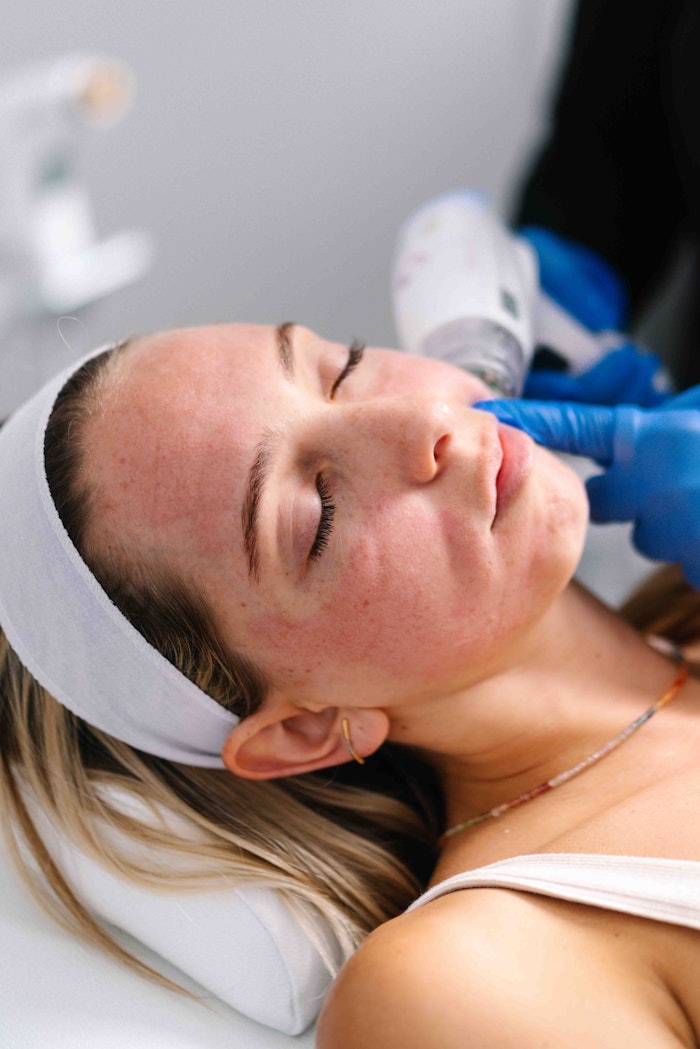
Matrix is an all-in-one, FDA-cleared, non-surgical skin renewal platform that activates the body’s own collagen response to visibly improve texture, tone and tightness [2].
In clinical studies for Matrix, the device demonstrated a meaningful improvement in facial wrinkle appearance based on blinded evaluation of treatment photos. Additionally, 94% of study subjects rated their treatment outcomes as ‘much improved’ or ‘very much improved' [3]. The system’s ability to support collagen production is ideal for GLP-1 patients, who often experience accelerated changes in skin quality and structure.
Addressing Facial Volume Loss
“One of the most common concerns among GLP-1 patients is facial volume loss, particularly in the midface and temples, which can create a gaunt or prematurely aged appearance,” says Stephanie Philips, NP, founder and co-owner of Aesthetic Element Medical in Weston, Florida. “This can contribute to a tired or prematurely aged appearance, leading to a noticeable rise in patients seeking solutions for post-weight loss results.”
Another common issue is the increase in skin laxity among GLP-1 patients. “The Matrix treatment provides an effective solution by stimulating natural collagen and tightening the skin without downtime,” Gerrish notes.
With its radiofrequency (RF) microneedling applicator, Matrix pairs ultra-thin microneedles with its signature aesthetic intelligence to read, adapt and display skin impedance in real time. Built with Safety-by-Design and powered by Candela’s signature aesthetic intelligence technology, the device adjusts energy delivery for consistent, customized results. This supports safe energy, reducing the risk of over-or under-treatment, while delivering consistent outcomes across skin types. The result is higher patient satisfaction and longer treatment plans as patients go through their weight-loss journey.
Improvement With Skin Tightening
Skin tightening beyond the face alone has emerged as a priority for many GLP-1 patients. Rapid weight loss may reveal areas of loose skin, uneven texture and contour irregularities. “Patients often seek a combination of non-surgical and surgical body contouring treatments,” Gerrish says. “Non-invasive options, such as Matrix, are especially appealing because they complement weight loss without the downtime of surgery.”
Matrix extends its versatility to body applications as well—specifically for patients who have minimal skin laxity. By promoting skin tightening and textural improvements, it can be used with traditional body contouring methods to enhance outcomes. Offering Matrix treatments for facial and body rejuvenation provides clinicians with a flexible approach to address patients’ needs.
Holistic Approach to Aesthetics
The integration of GLP-1 therapies into aesthetics reflects a broader trend toward holistic patient care. Clinics are evolving from focusing solely on cosmetic concerns to supporting patients through a combination of health, wellness and aesthetic goals.
GLP-1 patients are a highly engaged population, often entering aesthetics for the first time through a non-invasive approach. “We’ve observed that patients are often more willing to explore additional aesthetic services after experiencing weight loss,” says Phillips. “This can create opportunities for practices to expand their offerings and build long-term relationships.”
The Matrix System: A Strategic Solution
Matrix is more than just a treatment; it is a strategic tool that meets the evolving needs of GLP-1 patients. This all-in-one platform allows clinicians to address multiple skin concerns simultaneously, making it a valuable addition to an aesthetic menu.
Patients benefit from treatments that fit seamlessly into their lifestyles while practices meet their goals to offer differentiated, results-driven services. The combination of GLP-1 therapies and Matrix treatments represents a proactive, forward-thinking approach to medical aesthetics.
Shaping the Future of Medical Aesthetics
GLP-1 medications are fundamentally changing patient expectations, treatment demand and the business framework of aesthetic medicine. Practices that address the metabolic and aesthetic implications of weight loss can deliver more proactive, personalized care.
“GLP-1 therapies are changing the landscape. Matrix allows us to meet patients where they are, helping them look as good as they feel while supporting their weight loss journey,” says Phillips. “Practices that embrace this synergy are well-positioned for growth, patient satisfaction and long-term success.”
By integrating the Matrix treatment into their practices, providers can offer patients tailored, minimally invasive options to address the aesthetic effects of rapid weight loss.
References:
- McKinsey & Company. Global GLP-1 agonist prescriptions and sales growth, 2022–2024.
- FDA clearance for the new indication is based on retrospective study data from 32 subjects receiving full-face treatments with the Matrix Pro applicator for facial wrinkle reduction.
- Candela Medical. Candela announces FDA clearance of new indication for Matrix multi‑application radiofrequency skin platform.