Cultural normalization, patient advocacy, subtle preventative approaches
Menopause treatment has never been as prevalent as it is now in aesthetic medicine. While visible signs of aging, like wrinkles, laxity, and thinning skin, have always been the focal point for physicians, the intention of hormonal treatment has been seen and handled separately until now.
According to the AAFPRS 2025 report, 45% of facial plastic surgeons report they’re seeing more patients come in for menopause or perimenopause aesthetic treatments - a significant rise from 28% the year prior[1]. It’s an uptick some industry professionals say is a result of a larger societal pivot.
“For decades menopause was minimized or medicalized in a way that left many women feeling dismissed," Kate Bache, tells MedEsthetics. Bache is the founder of Health & Her and Chief Innovation & Marketing Officer of Venture Life. Health & Her is an organization that aims to empower women to take control of their menopausal health.
“What’s changed is a broader cultural shift towards women advocating for better health outcomes across midlife. Social media, workplace menopause policies, improved medical education, and high-profile voices sharing lived experience have all helped normalize the conversation. Importantly, menopause is no longer framed as a niche issue, but as a universal life stage that affects wellbeing, confidence, and long term health,” Bache said.
Post-Black Box – Regulatory change, hormone therapy adoption, longevity medicine
The medical landscape is also undergoing a major transition thanks to new regulatory developments. In February 2026, the U.S. Food and Drug Administration officially removed black box warnings on certain hormone therapies, ending a long-standing era of medical caution regarding menopausal treatment.
Many med spa professionals believe the move is revolutionary in that it may normalize hormone optimization as part of long-term health management.
“The FDA's February 2026 removal of those outdated black box warnings has been huge,” Dr. Hema Jonnalagadda, a founding physician at Advocare Montgomery Gynecology, Plymouth Meeting, PA. tells MedEsthetics. “It lets us start earlier to protect facial fat distribution, skin thickness, and blood flow. Patients see better hydration and elasticity, so fillers and biostimulators last longer and we often need less volume overall for great regenerative results.”
These changes are transforming how aesthetic practitioners view menopausal patient care, shifting concentration from solely cosmetic interventions to a more integrated approach that addresses the underlying biology of aging.
“Skin aging during menopause is influenced by multiple factors including hormones, metabolic health, inflammation, sleep quality, and nutrition,” double board-certified OBGYN and gynecologic oncologist Dr. Lorna A. Brudie adds. “Aesthetic care often incorporates lifestyle strategies such as resistance training, adequate protein intake, stress management, and medical-grade skincare to support the skin barrier and collagen production. This more holistic framework is increasingly resonating with patients who want subtle, sustainable improvements rather than dramatic aesthetic transformations. "When internal health and external treatments are aligned, patients tend to achieve more natural and sustainable aesthetic outcomes,” Dr. Brudie continues.
With hormone therapies now safer and more widely adopted, clinicians can combine internal optimization with precise, preventative aesthetic interventions to slow age-related tissue changes.
Preventative & Age-Stratified Aesthetics – Microdosed neurotoxins, RF, sculpting, skin boosters
Aesthetic practitioners have taken heed to the industry's growing awareness around menopause-related changes, shifting from a reactive model to one focused on early interventions. As a response, health professionals are increasingly emphasizing biological therapies, like peptides, that improve skin health and structural integrity over time[3]. Many providers are also expanding treatment conversations to include lifestyle and metabolic factors that influence how the body ages.
“Microdosing neuromodulators and prioritizing biostimulation allows us to slow visible aging without dramatically altering facial identity," Caroline Stogner, a PA-C, Board-Certified PA & Advanced Aesthetic Injector says. "I’m using more collagen-stimulating injectables and energy-based devices to support tissue quality, especially in patients navigating hormonal decline.” Caroline is not the only one.
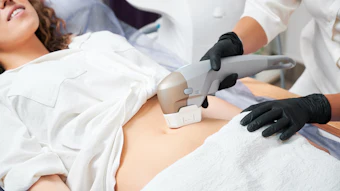
“These tools are game-changers for my menopausal patients: low-dose neuromodulators smooth lines subtly, fractional RF and skin boosters rebuild collagen gently, and sculpting like HIFEM or cryolipolysis targets laxity without drama. They fit perfectly into staged, low-downtime prevention that keeps results natural and sustainable as hormones shift,” said Dr. Hema Jonnalagadda, MD, FACOG, MSCP a founding physician at Advocare Montgomery Gynecology, Plymouth Meeting, PA.
Dr. Soma Mandal, the medical director at Women’s Health, tells MedEsthetics she's witnessed much of the same. “I’m seeing growing interest in subtle, preventative approaches rather than dramatic corrections. Microdosed neuromodulators and conservative volumization help maintain structure while preserving natural expression. Energy-based devices such as radiofrequency treatments and collagen-stimulating procedures are particularly helpful during perimenopause and early menopause, when collagen loss begins to accelerate,” Dr. Soma Mandal, said.
Other physicians are noticing the same, highlighting a growing focus in maintaining tissue health before more noticeable changes emerge. “Preventative aesthetic care now focuses on maintaining tissue health through smaller, more precise interventions delivered earlier. Technologies such as radiofrequency and skin boosters can stimulate collagen and improve dermal hydration, allowing us to preserve skin structure over time rather than trying to correct more advanced changes later,” double board-certified OB/GYN and gynecologic oncologist, Dr. Lorna Brudie says. “By pairing these minimally invasive interventions with broader lifestyle and wellness strategies, clinicians can offer patients a truly integrated approach to aging gracefully.”
Holistic & Emotional Dimensions – Lifestyle integration, botanical + medical-grade products
Beyond procedures and devices, menopause is an all-encompassing experience. That's why patients are looking for strategies that support overall wellbeing as much as skin health. In response, clinicians are increasingly integrating lifestyle guidance, like nutrition, exercise, and targeted botanical or medical-grade products alongside aesthetic treatments.
This holistic approach addresses both internal health and external results, helping patients maintain hydration, elasticity, and confidence while navigating hormonal changes.
“Menopause is a whole-body transition, so I encourage patients to think beyond procedures. Strength training, adequate protein intake, sleep optimization, and stress management meaningfully affect skin and body composition. Barrier-supportive skincare and thoughtfully selected botanical products can also help address the dryness and sensitivity many women experience at this stage,” says Dr. Mandal
Menopausal care today is about bridging the gap between internal health and aesthetic results. This approach helps patients maintain vibrant, resilient skin and renewed confidence through every hormonal shift.
“Concentrating on the gut microbiome is imperative at all stages in life. Everyone needs 6 glasses of water, 8 hours of sleep, a multivitamin, a probiotic, no sugar no dairy, daily exercise including weight bearing exercise and breath work for beautiful skin as well as maximum body functioning,” said Purvisha Patel, MD, board-certified dermatologist and Mohs surgeon.
Other clinicians say lifestyle and metabolic health play a similarly critical role in how skin ages during menopause. “Skin aging during menopause is influenced by multiple factors including hormones, metabolic health, inflammation, sleep quality, and nutrition. For that reason, aesthetic care often incorporates lifestyle strategies such as resistance training, adequate protein intake, stress management, and medical-grade skincare to support the skin barrier and collagen production. When internal health and external treatments are aligned, patients tend to achieve more natural and sustainable aesthetic outcomes,” added Dr. Brudie.
Mariana Vergara, NP-C is an aesthetics medicine expert in Beverly Hills who has worked with countless women, including Eva Mendes and Miranda Kerr and her cousin, Sofia Vergara. According to Vergara, as we age, our skin barrier becomes weaker which leads to dryness and irritation. Additionally, our cell turnover is slower, leading to the accumulation of more dead skin cells and causing the skin to appear more dull. While a weaker skin barrier comes with age, she says a routine as simple as as moisturizing with products that have true ingredients like ceramides and hyaluronic acid is the key.
“Moisturize daily with these basic ingredients, which will help replenish the oils and bring moisture to the skin,” says Vergara. She also emphasizes that SPF should be worn daily to prevent UV damage, which can further weaken the skin barrier and that combining a good at-home skincare routine with medical grade treatments is ideal for further skin barrier repair and to help stimulate collagen.
“While aging is beautiful, it is possible to slow some of the visible signs of aging should one choose to go that route. Treatments like dermal fillers and skin boosters can give your skin a youthful appearance and contour and energy-based devices like lasers can be done to maintain the texture of the skin, to control the inflammation and to address pigmentation problems over time," Vergara continued.
Menopausal aesthetics isn't just a trend in aesthetic medicine, it's fundamentally reshaping how we approach aging. As the research continues to strengthen and the stigma continues to disappears, expect to see clinics follow suite.