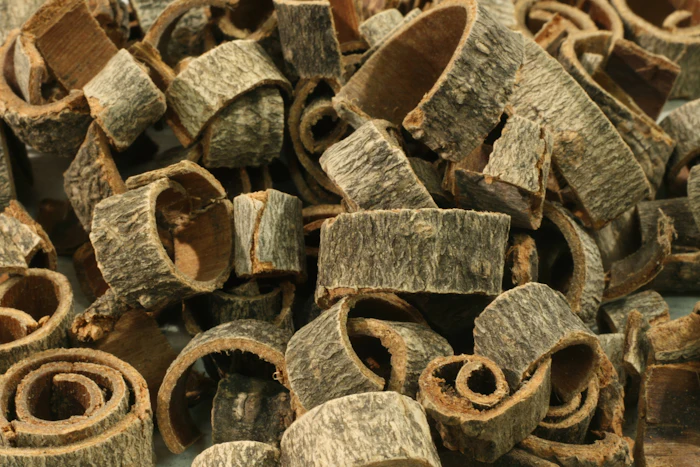
A new study from researchers in South Korea have identified a liquid extract from the bark of Magnolia officinalis that have shown anti-aging properties on the cellular level.
According to the study, the tree bark’s solution restored mitochondrial “powerhouse” function of cells and reduced the harmful byproducts (reactive oxygen species) that contribute to aging. Mitochondria produces more ROS as they age, damaging collagen and elastin. This is what typically leads to sagging, wrinkles and a lack of firmness.
Related: BosleyMD’s New Serum Boosts Hair Growth by Energizing Mitochondria and Extending the Anagen Phase
The study shows how magnolia bark was able to both neutralize ROS and trigger mitophagy – the process where damaged mitochondria are replaced with healthier ones.
This approach to cellular health is groundbreaking in antiaging product formulation in that its proactive, not reactive.
How the study was done
Researchers ran a four-week clinical trial with 21 Korean women averaging around 57 years old who applied a cream with 3% magnolia liquid extract twice daily.
Tests showed improved mitochondrial performance and oxygen use efficiency on human skin cells, indicating deeper metabolic benefits.
Results
After 28 days, the results showed an average of 12.7 percent decrease in neck wrinkle depth and an average 3.8 percent increase in skin elasticity. The study results also showed improved complexion brightness.
The plant cream solution contained two compounds rich in anti-inflammatory properties, honokiol (12.2%) and magnolol (6.29%) that was stabilized to easily include in cosmetic formulas.
Researchers believe the study can lead to a new age of anti-aging product that not just include antioxidants but include mitochondrial health and cellular renewal.