An effective treatment-to-home pipeline begins well before the procedure itself and continues long after the patient leaves the office. The most successful outcomes occur when pre-treatment preparation, procedure selection, recovery protocols, follow-up care, and long-term maintenance are all coordinated as part of a single plan.
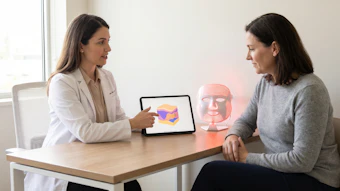
In my view, patients achieve the best results when they understand exactly what to expect and have clear guidance at every stage of the process. Too often, practices devote tremendous attention to the treatment day but provide only limited support during the recovery period, which is when many variables that affect outcomes emerge. This disconnect inspired us to open The iO Clinic, where our post-operative patients can opt in to a recovery package that includes red light therapy, IVs, hyperbaric oxygen therapy, carboxy lift mask, and tailored skin care regimens.
Related: Cipher Skin Partners with Medistics to Improve Patient Recovery
Recovery Is Where Results Take Shape
The post-treatment protocols that consistently deliver meaningful results are often the least glamorous. Sun protection, gentle wound care, inflammation control, appropriate moisturization, and adherence to activity restrictions have a far greater impact on healing than many patients realize. I routinely see better outcomes when patients follow simple, evidence-based instructions rather than relying on numerous products or trending recovery hacks. In the acute recovery period, evidence based hyperbaric oxygen and red light protocols are a mainstay.
For long term maintenance and outcomes, medical grade skin care regimens need to be considered. Retinoids, when introduced at the appropriate stage of healing, can also play an important role in maintaining skin quality and supporting long-term collagen remodeling. By contrast, many expensive recovery kits, excessive supplement regimens, and products marketed as "medical-grade" do not always have strong scientific evidence supporting their claims. While some newer technologies and formulations may offer benefits, the marketing often exceeds the available data. In aesthetic medicine, the fundamentals still outperform most of the hype.
Different Treatments, Different Recovery Needs
After surgery, the focus is on minimizing swelling and scarring, preventing post-operative issues, and supporting the tissues' natural healing mechanisms. Patients receive detailed instructions regarding incision care, sleep positioning, physical activity, and the timeline for recovery, which can extend for several months. Following non-surgical treatments, such as injectables, lasers, or energy-based procedures, the emphasis shifts toward managing inflammation, restoring the skin barrier, preventing pigmentation issues, and preserving results. Many patients mistakenly assume that non-surgical treatments require little to no recovery, when in reality proper aftercare can significantly influence outcomes. I often spend time educating patients about what is normal during healing and how to avoid behaviors that may compromise their results. Regardless of the treatment, patient education remains one of the most important determinants of success.
Separating Science From Hype
When recommending products and recovery tools, I focus on interventions that have demonstrated clinical value rather than simply following industry trends. Broad-spectrum physical sunscreen is non-negotiable because it protects healing skin, preserves treatment results, and prevents unnecessary pigmentation changes. I frequently recommend ingredients such as retinoids, vitamin C, niacinamide, and high-quality moisturizers because they support skin health, barrier function, and long-term maintenance.
For surgical patients, LED light therapy, particularly red and near-infrared wavelengths, has shown promise in helping reduce inflammation, support tissue repair, and potentially accelerate recovery following both surgical and non-surgical procedures. Hyperbaric oxygen therapy is a valuable adjunct in our surgical patients, as increased oxygen delivery supports tissue recovery and reduces healing complications. IV hydration and nutrient therapy can also be beneficial in select situations by supporting hydration, replenishing key vitamins and minerals, and helping patients feel better during the immediate recovery period, although it should not be viewed as a substitute for proper nutrition and post-operative care.
Managing Expectations During Recovery
Patients often underestimate the importance of strategic recovery protocols. In reality, what happens during the recovery period plays a vital role in determining the outcome. Patients sometimes believe that once treatment is completed, the difficult part is over, when in fact the body is only beginning the healing process. Factors such as sun exposure, inflammation management, adherence to instructions, and overall health can significantly influence how tissues heal and how long results last. Another misconception is that visible healing and biological healing occur on the same timeline.
While bruising and swelling may resolve relatively quickly, deeper tissue remodeling can continue for months and, in some cases, up to a year. Helping patients understand these timelines often leads to greater satisfaction because expectations become more aligned with reality. I also know how important it is to support someone's mental health during this vulnerable period. We see first hand how powerful reducing stress and supporting a positive outlook can be on the healing process.
The Evolution of At-Home Recovery
The at-home recovery and skincare category has evolved dramatically over the past decade, shifting from a largely cosmetic focus to a more sophisticated understanding of skin biology and wound healing. There is now greater appreciation for the importance of barrier repair, inflammation control, and long-term skin health as part of aesthetic treatment plans. I believe some of the most meaningful advancements include improved post-procedure skincare formulations, more evidence-based scar management strategies, and increased patient access to education and follow-up support. At the same time, social media has accelerated the spread of trends, many of which lack strong clinical validation. Consumers are often overwhelmed by countless new ingredients, devices, and recovery protocols that promise dramatic results with limited supporting evidence. In my experience, consistent use of proven fundamentals continues to outperform most trend-driven solutions. The challenge for both physicians and patients is distinguishing innovations that are supported by science from those driven primarily by marketing.
The future of the treatment-to-home pipeline will likely be defined by greater personalization, technology integration, and continuous patient engagement. Advances in regenerative medicine, including growth factors and biologically active therapies, may further improve healing and optimize outcomes in both surgical and non-surgical settings.
I also anticipate more individualized recovery plans based on factors such as skin type, genetic predispositions, lifestyle habits, and treatment goals. As data collection and technology improve, aftercare protocols will become increasingly tailored rather than standardized. Ultimately, the future lies in creating a seamless plan of care that extends far beyond the treatment room and supports patients throughout the entire healing process.