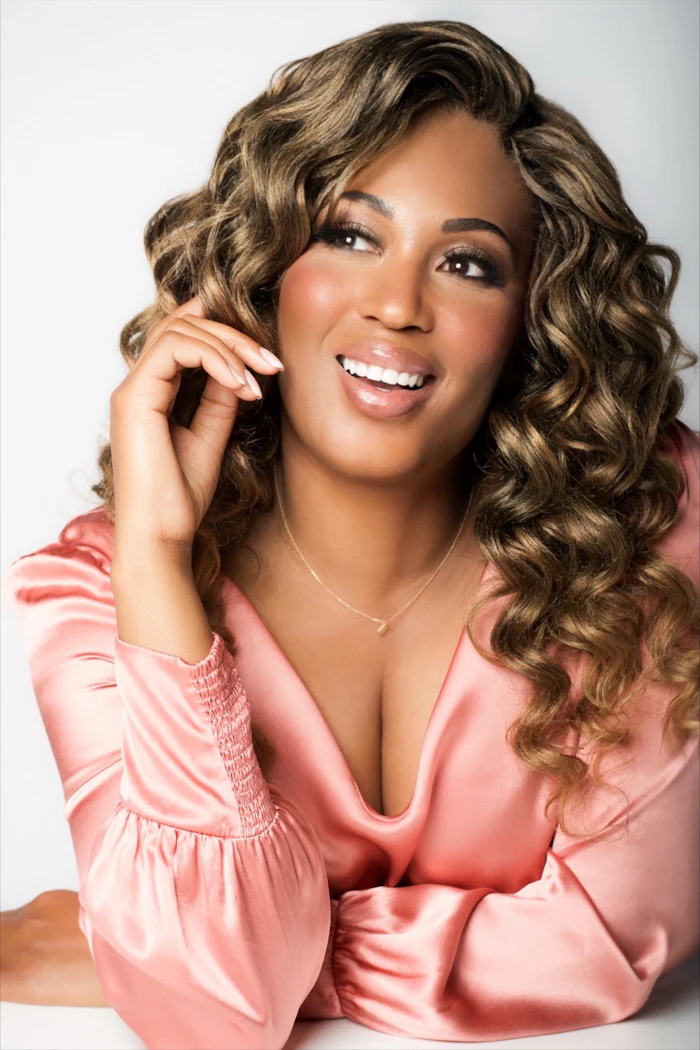
By Dr. Sybile Val, Board‑Certified Plastic Surgeon, ARTISAN -- Member Surgeon, Olympus Cosmetic Group
For many women, confidence changes over time. Pregnancy, weight loss, stress, and simply getting older can all change how we see ourselves, sometimes in ways we do not recognize. As a board-certified plastic surgeon in Atlanta, I have spent years caring for women at every stage of life. What I have learned is that plastic surgery is not about chasing perfection. It is about helping women feel like themselves again, whether that means restoring their body after childbirth, addressing changes after weight loss, or choosing subtle, non-surgical treatments that help them feel renewed.
My role is to perform procedures, but more importantly, to listen, guide, and support women in making choices that feel right for them. That mindset shapes how I care for my patients and the standards I bring to my work every day.
As more women feel empowered to prioritize themselves, demand for aesthetic care has accelerated in ways few of us could have predicted. Women today are making thoughtful, informed decisions about how they want to look and feel at different stages of life. What was once whispered about is now openly discussed, researched, and approached with intention. This mindset shift has meaningfully reshaped the plastic surgery landscape.
Across the globe, the cosmetic surgery market is projected to grow from roughly $85.83 billion in 2025 to more than $160 billion by 2034, with North America accounting for approximately 36 percent of that growth. In 2024 alone, plastic surgeons performed more than 17.4 million surgical and 20.5 million non-surgical procedures worldwide, with nearly 1.6 million cosmetic surgeries and 28.5 million minimally invasive treatments performed in the United States.
This level of growth reflects women’s increasing willingness to invest in themselves — but it also raises an important question for those of us inside the operating room: how do we meet rising demand without compromising safety, artistry, or the patient-physician relationship that defines high-quality plastic surgery?
The Power of Female Leadership & Collective Wisdom
Within our practice, leadership isn’t defined by a single person, but by the strength of a team. At ARTISAN, I have the privilege of working alongside talented female surgeons who bring diverse experiences and perspectives. This collective leadership ensures that decisions are grounded in shared values and that our patients always benefit from a multifaceted approach. Being part of a broader surgeon‑led group like Olympus Cosmetic Group means we can collaborate at a level that would be hard to achieve in a standalone practice. We share best practices, consult each other on complex cases, and coordinate resources to maintain the highest standards of care. That synergy — strong leadership within a larger network of surgeons — allows us to innovate and support one another while keeping the patient at the center.
Research underscores the importance of surgeons having a meaningful voice in shaping their practice environment. A recent study found that surgeon‑led organizations achieve notably higher patient‑experience ratings compared with those led by non‑physicians. The message for us is clear: when surgeons — particularly women who understand their patients’ unique needs — work together, quality, morale, and efficiency all improve.
My colleagues and I bring rigorous training and ethical standards to every procedure, but excellence in patient care depends on more than credentials alone. It requires continuous dialogue, shared accountability, and the willingness to challenge one another in pursuit of better outcomes. Through the Artisan–Olympus partnership, regular case reviews and shared continuing-education sessions allow us to refine techniques, pressure-test decisions, and stay ahead of evolving best practices. For patients, that means their surgeon is not only qualified, but supported by a trusted network of peers who hold each other to the same high standards. This structure preserves autonomy in the operating room while strengthening the judgment behind every recommendation.
Scaling Thoughtfully, Without Losing the Human Touch
Clinical skill alone does not guarantee a thriving practice. At Artisan, our female‑led leadership team invests in systems that free surgeons to focus on patients: digital consults, streamlined scheduling, transparent workflows, and a data platform shared with our Olympus peers. We track patient satisfaction scores, time-to-treatment, and follow‑up compliance across all partner practices. This collective data allows us to see which innovations are working and where adjustments are needed. When a surge in eyelid surgeries and liposuction among younger women emerged, we coordinated with other surgeons in our network to meet demand safely and efficiently. Having a shared operating system enables us to deliver personalized care at scale without compromising quality.
Independence should not mean isolation. In our network, surgeons, anesthesiologists, nurses, and aesthetic specialists all contribute to an empowering culture. We celebrate successes, address complications, and innovate together. Peer‑to‑peer collaboration accelerates learning and prevents avoidable mistakes. Studies show that surgeon satisfaction is highest when they feel autonomous yet supported, have a voice in decision‑making, and have access to necessary resources. By sharing leadership responsibilities across a female‑led team and staying connected to the larger Olympus community, we ensure that every patient benefits from a deep well of knowledge and experience. This unified culture is good for morale, but more importantly, it’s a strategic advantage that attracts top talent and fosters long-term resilience.
Meeting Patients Where They Are
True growth requires adapting to local market dynamics and patient expectations. While North America’s leadership in plastic surgery reflects advanced infrastructure and cultural acceptance, every community has its own pace and its own needs.
In Atlanta, many of my patients are busy professionals balancing careers, families, and full lives. They want to look refreshed and confident without feeling “overdone.” Others are mothers hoping to reconnect with their bodies after childbirth or women celebrating significant weight loss and the journey it represents. What they share is not a desire for perfection, but a desire to feel confident and at peace in their own skin. I believe aging gracefully requires intention and a thoughtful plan — one rooted in listening, trust, and personalization.
The aesthetic surgery landscape will continue to evolve, but the heart of the work remains unchanged. Physician-led, board-certified practices consistently deliver stronger outcomes and deeper trust because they prioritize people over volume. At its core, aesthetic surgery focuses on restoring confidence, honoring personal journeys, and helping patients feel like themselves again.