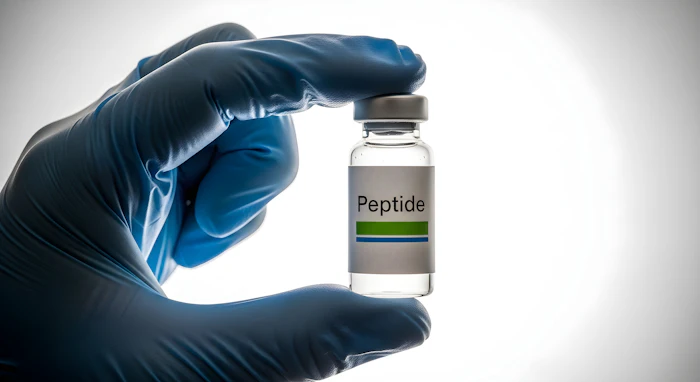
On Friday, July 24, the Food and Drug Administration advisory panel recommended that compounding pharmacies be granted manufacturing rights to the peptides Epitalon and Semax. In a close vote, the panel also recommended against compounding Emideltide.
The votes come one day after the panel recommended expanding the BPC-157, KPV, TB-500 and MOTS-c peptides, making the final total of peptides with the panel's recommendation to six.
Related: FDA Panel Recommends Looser Compounding Restrictions for Four Peptides
The six peptides voted on by the Pharmacy Compounding Advisory Committee and their uses:
- BPC-157: Ulcerative colitis.
- Epitalon: Insomnia.
- KPV: Wound healing and treat inflammation.
- MOTS-c: Insulin resistance, obesity and osteoporosis.
- Semax: Migraines, cerebral ischemia (a condition where the brain receives inadequate blood flow) and trigeminal neuralgia, a chronic pain disorder.
- TB-500: Wwound healing.
Despite the committee's recommendation, the FDA will still make a final decision, which could take months. If the agency agrees with the committee and decides certain pharmacies be allowed to compound the peptides, patients would be able to order a prescription with their physician instead of opting to the black, unregulated market online.
The American Academy of Peptide Sciences called day two “a victory for both patients and personalized medicine[1]." Ilisa Bernstein, a former deputy director of the FDA's drug compliance office, on the other hand, was less glowing of the news, telling The Washington Post, "demand is not a substitute for data that demonstrates patient safety[2]."
For medspas and aesthetic practices, the news may bring a shift in how peptide based therapies are sourced and incorporated into patient care. As interest in regenerative aesthetics continues to boom, providers will have to educated themselves on the evolving regulatory landscape, discuss the clinical evidence and decided on clear protocols for patient education and appropriate use.
Resources: