Walk into ten medical aesthetic practices and ask about their monthly team meeting, and you'll get one of four answers:
- It got skipped again this month.
- It happens, but nobody prepped an agenda, so it turned into a venting session about scheduling and inventory.
- The owner or practice manager talked for forty-five minutes while the team nodded along, then went back to work with zero buy-in.
- Or the meeting happened on schedule and covered everything except the numbers, because nobody wanted to be the one who brought up revenue in front of the entire team.
- We don't have team meetings at all
Related: Why Aesthetic Practices Need a Daily 15-Minute Team Huddle
I have seen all five in the same practice, sometimes in the same year.
Here's what most owners/practice managers don't realize. The monthly team meeting is not a scheduling formality. Run it well, and it drives revenue. Run it badly, and it drives your best people out the door.
Practices that run a real meeting, with a real agenda, on a consistent monthly cadence, outperform practices that don't. The meeting itself doesn't move the numbers. A team that sees the numbers, understands the goals, and feels like part of hitting them instead of just showing up for a paycheck does.
If your practice has never run a structured monthly meeting, or your version has drifted into one of the five scenarios above, here is the format I coach practices through and why each section earns its place on the agenda.
Practice Monthly Meeting Agenda
Start with connection, not logistics (5 minutes)
A warm welcome and intention for the meeting. Something to celebrate or highlight first. Teams that start cold, straight into numbers, spend the whole meeting in defense mode. Acknowledge the work your team put in over the past month before you ask anything of them.
Put your numbers on the table (15 minutes)
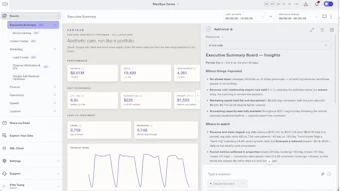
Cover the monthly goals for both service and retail, or surgical and non-surgical, revenue, expenses, and margins compared to last month and to your annual goals. Are we up or down, why or why not? Review conversion metrics, new clients, no-shows, retention, etc. Talk through which services and products are performing and which aren't, and how your marketing, website traffic, and reviews are trending. If your team has never seen these numbers, they cannot help you move the needle. Owners who keep the numbers to themselves end up managing a team that has no idea whether the practice is ahead or behind their targeted goals.
Talk about the client experience out loud (15 minutes)
Review client feedback process, reviews, and satisfaction trends. Read a great testimonial out loud. What happened to achieve this? Name the team member who earned it, then ask how we can keep it up and set a monthly goal.
Invest in your people, in front of your people (20 minutes)
Cover training, industry trends, new treatments, and upcoming education opportunities. This is also where you recognize individual wins by name. Skip this section consistently, and your best team members will start looking for practices that actually invest in them.
Set goals as a team, not for a team (20 minutes)
Review last month's goals honestly, celebrate what worked, and be direct about what didn't. Why or why not, and map out the process. A goal set for someone lands differently than a goal set with them.
Leave room for the open forum (15 minutes)
Leave time for Q&A or your team to share openly. Close with action items and due dates.
There are a few things that can make or break this meeting format:
- Send the agenda in advance so your team shows up ready, not surprised.
- Make sure everyone speaks and contributes.
- Assign action items with a name and a deadline attached, not a vague commitment to reevaluate.
- Always end on a celebration. Practices skip this part more than any other, and it costs them the most.
Run this meeting on a consistent monthly cadence for six months and watch what happens, both to your numbers and to how long your best people stay.