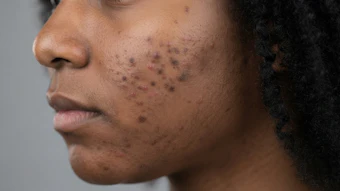
Melasma remains one of the most common and clinically challenging pigmentary disorders encountered in aesthetic and dermatological practice. Despite the expanding range of energy-based devices and topical treatments, long-term outcomes remain limited due to the chronic and recurrent nature of the condition. Unlike isolated solar lentigines, melasma is a complex pathological process involving melanocyte hyperactivity, vascular dysregulation, oxidative stress, chronic subclinical inflammation, and impairment of the epidermal barrier.
Over the past decade, our understanding of melasma pathogenesis has evolved significantly. Current evidence suggests that melasma should be viewed not only as a pigmentary disorder but also as a condition associated with photoaging and involving multiple interconnected pathophysiological mechanisms. This helps explain why treatments aimed solely at pigment removal often fail to provide lasting clinical improvement.
Related: Infiltration of Tranexamic Acid Reduces Post-Lipo Ecchymosis
Therefore, successful patient management depends less on selecting a single modality and more on implementing a structured multimodal approach. In clinical practice, this includes patient education and skin preparation, targeted in-clinic treatment, and a carefully designed maintenance program aimed at preventing recurrence.
Patient Education and Preparatory Home Care
One of the most common mistakes in melasma treatment is initiating procedural therapy before the patient fully understands the nature of the condition. Melasma is not a static accumulation of pigment but a dynamic biological process influenced by ultraviolet radiation, visible light, hormonal factors, heat exposure, and inflammation. If these triggers are not controlled, even technically successful procedures often provide only temporary improvement.
For this reason, patient education should be considered the first stage of treatment. During consultation, clinicians should discuss the effects of sunlight and visible light exposure, hormonal influences, heat exposure from saunas, hot yoga, and intense exercise, as well as the importance of long-term maintenance therapy. Equally important is setting realistic expectations, as complete and permanent clearance of melasma is rarely achievable.
Related: Melasma Diagnosis and Management: An Evidence-Based Approach
Particular attention should be paid to the condition of the epidermal barrier. Research indicates that melasma-affected skin demonstrates delayed recovery following barrier disruption, highlighting the importance of supporting epidermal barrier function throughout all stages of treatment. Chronic inflammation and increased sensitivity to environmental factors may contribute both to disease persistence and recurrence.
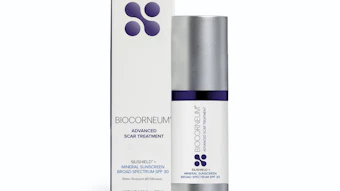
A preparatory skincare program is typically initiated 2–3 weeks before procedures. The foundation of treatment is broad-spectrum photoprotection. Tinted sunscreens containing iron oxides are especially valuable because they provide protection against visible light, which plays a significant role in the development of hyperpigmentation in patients with melasma. The use of UV filters alone may be insufficient to address this pathogenic mechanism.
Morning skincare may include a stabilized form of vitamin C to provide antioxidant protection and additional inhibition of melanogenesis. Azelaic acid remains an important component of therapy due to its favorable safety profile, including suitability during pregnancy and breastfeeding. Gentle cleansers and moisturizers containing ceramides, cholesterol, and fatty acids help restore epidermal barrier function, improve skin resilience, and enhance tolerance to subsequent procedures.
For selected patients, alternative depigmenting agents such as cysteamine may be considered instead of hydroquinone, particularly when long-term maintenance therapy is required or hydroquinone intolerance is present.
By the time procedural treatment begins, inflammation is typically reduced, epidermal barrier function has improved, and the skin is more resilient to external stressors, thereby reducing the risk of treatment-induced exacerbation.
Microneedling Combined with a Tranexamic Acid-Based Complex
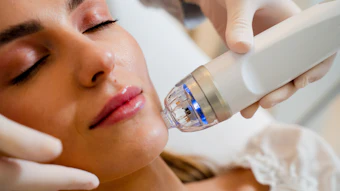
Once the skin has been adequately prepared, the primary treatment phase can begin. For many patients, microneedling combined with tranexamic acid represents an effective and well-tolerated therapeutic option.
Tranexamic acid has gained increasing importance in melasma management due to its ability to target several key pathogenic pathways. By inhibiting the plasminogen–plasmin system, it helps reduce melanocyte stimulation, decrease inflammatory activity, and partially influence the vascular component of the disease.
When applied topically, tranexamic acid penetration through the stratum corneum is limited. Microneedling creates controlled microchannels that enhance transdermal delivery while simultaneously stimulating epidermal renewal processes. As a result, the technique provides both improved delivery of active ingredients and an independent regenerative effect.
Vitamin C is frequently incorporated into treatment protocols because of its antioxidant properties and its ability to inhibit tyrosinase through copper chelation.
The combined use of these ingredients allows multiple aspects of melasma pathophysiology to be addressed, including oxidative stress, melanogenesis, inflammation, and vascular signaling. Clinical experience suggests that multimodal approaches may provide more stable outcomes than targeting a single pathogenic mechanism, although high-quality comparative studies remain limited.
Treatments are typically performed at intervals of 3–4 weeks. Throughout the treatment course, strict photoprotection remains essential. In practice, inadequate sunscreen use is one of the most common causes of unsatisfactory outcomes and recurrence.
Oral Tranexamic Acid and Hydroquinone: Regulatory Considerations in the United Kingdom
In resistant or extensive cases of melasma, oral tranexamic acid may be considered. Although it is not officially licensed for this indication, its efficacy has been demonstrated in multiple studies, and off-label use is becoming increasingly common when accompanied by appropriate medical supervision.
The most frequently used regimen is 250 mg twice daily. Before prescribing, clinicians should carefully assess contraindications, including a personal or family history of thromboembolic disease, pregnancy, severe renal impairment, color vision disturbances, and the use of combined hormonal contraceptives in the presence of relevant risk factors.
In the United Kingdom, tranexamic acid is a prescription-only medicine and may be prescribed only by a qualified healthcare professional following an individualized risk assessment and informed patient consent.
Hydroquinone remains one of the most effective topical depigmenting agents. However, its regulatory status differs significantly from many other ingredients used in aesthetic medicine. Since 2001, hydroquinone has been prohibited in over-the-counter cosmetic products throughout the United Kingdom and the European Union. When prescribed, it is generally used as part of a medical treatment plan under physician supervision and for limited treatment courses rather than continuous long-term use.
Potential adverse effects include skin irritation and, in rare cases associated with prolonged use, exogenous ochronosis. Appropriate patient selection and regular monitoring are therefore essential.
Choosing the Right Modality: Picosecond Laser, Thulium Laser, or Retinoic Acid Peel
There is no universal device or procedure that is equally effective for all patients with melasma. Treatment selection should be guided by pigment depth, skin phototype, the degree of inflammatory activity, patient expectations, and acceptable downtime.
For some patients, microneedling combined with topical therapy may remain the primary treatment modality. In other cases, laser technologies or chemical peels may be introduced following appropriate skin preparation.
Picosecond Laser
Picosecond lasers work primarily through a photomechanical mechanism. Energy is delivered in ultrashort pulses that generate acoustic waves capable of fragmenting pigment while minimizing thermal injury to surrounding tissues.
The fragmented melanin is subsequently cleared through macrophage phagocytosis and natural epidermal turnover. Because thermal exposure is relatively low compared with many traditional laser systems, the risk of inflammation-induced repigmentation may be reduced.
Picosecond technology is particularly useful when mechanical disruption of persistent pigment deposits is required, allowing gradual clearance over time. Nevertheless, melasma remains a condition with a high recurrence rate, making careful patient selection and conservative treatment parameters essential.
Thulium Laser
The non-ablative fractional 1927 nm thulium laser has attracted considerable attention in the treatment of pigmentary disorders. Its wavelength is strongly absorbed by water, resulting in energy concentration primarily within the epidermis and superficial papillary dermis.
Within the treatment zone, water acts as the primary chromophore, creating controlled microthermal injury. This accelerates epidermal renewal, promotes transepidermal elimination of melanin, and may improve the condition of the superficial dermoepidermal junction, where melanophages are frequently found.
Clinical improvement results from a combination of pigment removal and tissue remodeling rather than pigment destruction alone. Unlike picosecond lasers, which rely predominantly on photomechanical pigment fragmentation, thulium lasers create controlled photothermal injury that stimulates epidermal renewal and pigment elimination.
When patients are appropriately selected, this modality may be particularly beneficial for epidermal and mixed-pattern melasma. However, careful parameter selection is required to minimize the risk of post-inflammatory hyperpigmentation.
Retinoic Acid Peels
Retinoic acid peels represent another valuable treatment option, particularly for patients who prefer a less device-oriented approach.
Often combined with ingredients such as kojic acid or phytic acid, these peels accelerate epidermal turnover, reduce melanosome transfer, and contribute to overall skin quality improvement. Due to their predominantly superficial action, they may offer a favorable safety profile in Fitzpatrick skin types III–V compared with more aggressive chemical peeling agents.
As with all melasma treatments, outcomes depend heavily on proper patient preparation and adherence to photoprotection. Performing peels in the presence of active inflammation or significant barrier dysfunction increases the risk of treatment failure and rebound hyperpigmentation.
The Limited Role of Broadband Light and Intense Pulsed Light Systems
Broadband Light (BBL) and Intense Pulsed Light (IPL) systems are widely used for the treatment of solar lentigines and diffuse photodamage. However, their role in active melasma management is considerably more limited.
Because their mechanism of action relies on selective photothermolysis of epidermal melanin, the resulting thermal exposure may provoke inflammation and trigger repigmentation in susceptible individuals. This risk is particularly relevant in Fitzpatrick skin types IV–VI.
For this reason, broadband light is generally reserved for the treatment of associated photodamage or isolated lentigines after melasma has been stabilized and is not considered a first-line treatment for active disease.
Epidermal Barrier Recovery and Long-Term Maintenance Therapy
The importance of maintenance therapy cannot be overstated. Improvements achieved through procedural treatment are rarely permanent, and recurrence remains common even after successful correction.
Restoration of epidermal barrier function is particularly important during the early post-procedure period. Rich moisturizers containing ceramides, cholesterol, and fatty acids support epidermal barrier recovery, promote barrier homeostasis, and may reduce post-treatment inflammation during the period when recurrent hyperpigmentation is most likely to develop.
In the long term, photoprotection remains the cornerstone of maintenance therapy. Daily use of tinted sunscreens containing iron oxides is the single most important measure for preserving treatment results.
Vitamin C, azelaic acid, and niacinamide provide additional support through antioxidant activity, regulation of pigment production, and reinforcement of epidermal barrier function. Other tyrosinase inhibitors, including kojic acid, alpha-arbutin, and licorice extract, may also be incorporated when appropriate.
Once the skin has fully recovered from procedures, retinoids may be introduced into the maintenance regimen. Although retinoids are included in many established melasma treatment protocols, their use may be temporarily postponed during intensive procedural treatment in patients with highly reactive skin. When well tolerated, they promote epidermal renewal and help reduce the risk of recurrent superficial hyperpigmentation.
Even with optimal adherence, recurrence may occur due to hormonal changes, ultraviolet and visible light exposure, or the chronic nature of the disease itself. Nevertheless, patients who maintain a long-term prevention and skincare program generally preserve their improvements far longer than those who discontinue treatment after achieving visible results.
Conclusion
Melasma should be regarded as a chronic multifactorial disease rather than a simple accumulation of pigment. Effective treatment requires simultaneous control of the pathogenic mechanisms that sustain hyperpigmentation and removal of existing pigment deposits.
Patient education, photoprotection, preservation of epidermal barrier integrity, and consistent long-term maintenance therapy remain the foundation of successful melasma management. Within this framework, microneedling with tranexamic acid, supported by carefully selected topical agents and, when appropriate, picosecond lasers, thulium lasers, or retinoic acid peels, can provide clinically meaningful and durable improvement.
Ultimately, the most sustainable outcomes are achieved not through any single device or medication but through a structured combination approach tailored to the individual patient.