Fathertime is undefeated and aging is inevitable. Yet, from arsenic complexion wafers and radium-infused beauty products, to facial straps designed to "lift" sagging skin, humans have spent centuries trying to slow, reverse or conceal the visible signs of aging in hopes of preserving their youth[1] .
It just so happens that our body's natural collagen production — which keeps the skin firm, plump, and resilient — declines as we age. The skin is also the body’s largest organ, which is why it's the first thing we notice when we age[2] and one of the most popular anti-aging areas of focus.
Related: 3 Ways to Practice Anti-aging in Your Spa
While human mortality is not a new concept by any means, how society has confronted the reality of our appreciating biological decay has drastically changed over the years: There’s been a shift in aesthetic priorities towards wellness and rejuvenation.
“Skin brightening”, for example, has moved from tone correction to skin quality optimization. Patients care more about the “why” behind their conditions instead of relying on volume-based injectables and harsh corrections to that generally combat aging.
"The biggest skin-brightening and lifting trends in aesthetics promote naturalness and longevity. Lots of patients gravitate toward treatments that address pigmentation, texture, and radiance simultaneously, demanding for non-surgical structural support. Rather than dramatic, overfilled alterations, the focus is on natural, undetectable results from cosmetic procedures that stimulate the body's own biology for a long-lasting, glassy, and lifted glow," Board-Certified NYC Cosmetic Dermatologist Dr. Michele Green, tells MedEsthetics.
Similarly, “skin lifting” has moved from surgical impressions to contour refinement. Patients no longer want the augmented overfilled look of the once-popular Deep Plane Facelift. Rather than chasing individual lines and folds, the modern patient cares about regenerative, low-downtime procedures designed to visibly tighten and rebuild structural integrity through multi-layer, non-invasive rejuvenation.
"One of the biggest trends in aesthetics is the shift toward gentle, barrier-supportive brightening and lifting rather than aggressive resurfacing," Rene Torres, the Director of Wellness at OSMOSIS and an esthetician," says to MedEsthetics. "Ingredients like plant enzymes, lactic acid, azelaic acid, and other mild exfoliants help improve skin tone, texture, and radiance while preserving barrier health. Combined with collagen-supportive ingredients, these approaches deliver brighter, firmer skin without unnecessary irritation or damage."
This industry trend has caused a shift in both treatment expectations and provider approaches."The most effective future protocols will likely combine professional treatments with customized skincare," Jackie Kim, a co-founder and skincare expert at The Glow Beauty Shop, tells MedEsthetics. "Energy-based devices, injectables, regenerative approaches, and daily skincare can work together when the goal is long-term skin improvement."
SKIN QUALITY OVER SKIN CORRECTION
For the longest, skin lightening was correction-driven, aggressive and pigment-focused, with an emphasis on fixing visible defects through chemical peels, hydroquinone and other tyrosinase-inhibiting agents, rather than supporting the skin’s function[3].
For pigmentation and dark spots, industry practice was to halt melanin production altogether, rather than improving the overall biological health of the skin[ 4,5], using harsh acids and potent tyrosinase inhibitors. This process neglected the skin barrier instead of improving the skin’s complexion reduction.
Today, as opposed to rapid correction, treatment focuses on barrier repair, inflammation control and gradual pigment modulation. Now, “glow” is a marker of skin health, not just lightness, and abrasive exfoliation scrubs have been replaced with barrier-friendly products.
Industry experts now describe longevity beauty as one of the fastest-growing movements in skincare and aesthetics. Instead of trying to “stop aging,” the goal is to protect collagen and elastin, maintain a strong skin barrier, prevent chronic inflammation and support cellular repair.
"Patients want improvements in skin quality, texture, brightness, and firmness from a coordinated treatment plan rather than a single procedure," Emily Dawson says to MedEsthetics. She is the Executive Director & Co-Founder of Avinity Health in Scottsdale, Arizona and says she's witnessing patients who are looking for natural results. "They want to look rested and healthy, not like they've had cosmetic work done. Skin quality has become just as important as wrinkle reduction," she continues.
Korean Skin Care
A large part this movement is due to the Korean skincare boom, as it emphasizes prevention, consistency, and barrier-first skincare. 2024 Research from Fresha revealed that popular terms in Korean beauty like "glass skin" and "dewy glows" are experiencing a significant increase in online searches and social media presence.
"Korean skincare has helped redefine “glow” as something achieved through hydration, skin barrier support, and long-term care rather than temporary correction," Jackie Kim, says. "Ingredients like vitamin C, peptides, ceramides, antioxidants, and fermented extracts are becoming increasingly important because they address multiple signs of aging — including uneven tone, dullness, and loss of firmness."
Take K-beauty–inspired wellness and skincare brand, Rael, who recently released two hydrogel masks for skin brightening: the Cryo Soothing Hydrogel Mask and the Glutathione + Vitamin C Brightening Hydrogel Mask. Instead of intense alcohol-based products with the only goal of stripping down the skin, the Rael masks deliver beneficial ingredients, like hyaluronic acid, peptides, mushroom extracts and glutathione, (a hero ingredient in Korean skincare) alongside vitamin C and tranexamic acid in one effortless hydrogel step.
Dr. Omerine Aseh, who is the Founder & Medical Director GlowMD Aesthetics & Wellness Institute in Katy, Texas, tells MedEsthetics that the Korean skincare ingredient is popular and something she’s seen a lot of in the industry, specifically the ingredient of glutathione.
“I continue to see great results from medical-grade skincare, antioxidants, peptides, growth factors, and treatments that support collagen production. I am also seeing more interest in glutathione, particularly among women of color,” says Dr. Aseh. “Many of my patients are not necessarily concerned about wrinkles first. They are concerned about hyperpigmentation, uneven skin tone, dullness, and loss of radiance. Glutathione has become increasingly popular because it is a powerful antioxidant that helps reduce oxidative stress and supports overall skin health. I view it as part of a comprehensive approach rather than a magic solution.”
The new approach to skin brightening prioritizes skin wellness, not appearance, and the industry has taken notice.
Energy-Based & Minimally Invasive Skin Tightening
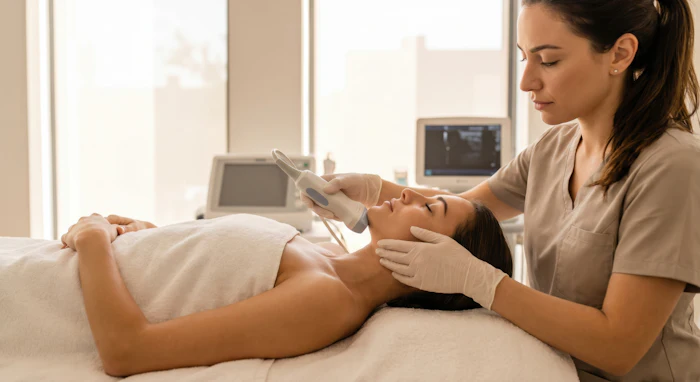
While invasive surgical procedures remain common and are actually increasing in popularity, there has never been as many noninvasive options available for aesthetic patients as there are today. Now you can find a variety of in-office, non-surgical alternatives designed to stimulate your body's natural collagen production without going under the knife. In fact, according to global energy-based global market insights from Delveinsight [6], energy-based non-invasive skin tightening is the fastest-growing category in aesthetic medicine.
When energy devices were first introduced, top brands like Thermage used massive bulk heating to effectively tighten deep tissues and stimulate new collagen production [7,8]. The treatments were highly painful and required high energy levels that sometimes risked fat volume loss or required the use of pain management during the session[9].
Related: Thermage FLX Receives Clearance for Skin Smoothing
Today, thanks to the recent advances in energy-based devices and injectable treatments, traditional surgical procedures like facelifts no longer require patients to go under the knife.
“Patients today are looking for meaningful, visible results without the recovery, expense, or commitment associated with surgery," Dr. Walter J Joseph, Board Certified Plastic Surgeon, tells MedEsthetics. "Many want to maintain a youthful appearance proactively rather than waiting until they require a facelift or other invasive procedure. Advances in technology have also raised patient expectations—people are no longer satisfied with subtle improvements. They want treatments that deliver real lifting and tightening while fitting into their busy lifestyles, and that’s exactly where non-invasive skin tightening has found its sweet spot."
Collagen induction therapies — including microneedling, radiofrequency (RF) microneedling and fractional laser resurfacing — have become a very popular way to stimulate the skin's natural wound-healing response through neocollagenesis and tissue remodeling.
"Medical microneedling continues to be one of our most versatile treatments because it improves texture, tone, and collagen remodeling," Emily Dawson says. "At Avinity, we often pair it with LED therapy and regenerative topicals such as exosome-based products or salmon DNA (PDRN) formulations, depending on the patient's goals. Following treatment with a high-quality peptide- and ceramide-rich serum helps support the skin barrier during recovery. Rather than relying on a single product or technology, we've found that combining collagen stimulation, regenerative topicals, and thoughtful post-procedure skincare produces brighter skin quality and more natural-looking rejuvenation."
Cynosure Lutronic's XERF™ treatment makes the same non-invasive promise. Marketed as the world’s first multifrequency monopolar radio frequency (RF) system, the device has quickly garnered attention in the aesthetics space as a standout non-invasive skin tightening treatment with Hollywood insiders like Naomi Watts and Khloe Kardashian, as it targets skin laxity and improves overall skin quality without needles, surgery, or downtime for immediate and lasting results.
"Two treatments I'm seeing significant excitement around right now are XERF and Potenza RF Microneedling," Dr. William Harris a double board-certified facial plastic surgeon in Beverly Hills, tells MedEsthetics. Dr. Harris specializes in facial aging procedures, non-surgical rejuvenation, and preventative aesthetics.
"XERF delivers impressive lifting and tightening results through dual radiofrequency technology, while also stimulating collagen for a noticeably brighter complexion. Potenza RF Microneedling complements this beautifully by targeting collagen and elastin remodeling, which improves both skin radiance and texture. On the skincare side, we're also seeing some incredibly promising products entering the market, particularly PDRN serums and growth factor-driven creams, which are becoming essential tools for overall skin maintenance and long-term skin health," Dr. Harris continues.
 Cynosure Lutronic
Whether it's lifting loose skin under the chin or sagging along the jawline, patients now want low downtime and combination outcomes after their radiance and firmness procedures. Rene Torres, warns, however, that clients should be aware its not the same as going under the knife.
"True lifting involves repositioning deeper facial structures, which only surgery can achieve. Non-invasive treatments and topicals can improve firmness, texture, and elasticity by stimulating collagen and supporting skin function, but they cannot create permanent structural lift. These effects can be meaningful, but they are not equivalent to surgical change. At the same time, there is a clear cultural shift toward more natural aging, with many patients and celebrities moving away from overly invasive procedures in favor of subtle, regenerative approaches," Torres says.
Regenerative Skincare and Biologic-Driven Brightening
Patient demand for treatments that support the body's natural repair mechanisms while minimizing downtime has also fueled interest in regenerative aesthetics. According to dermatology trend reports,[10] regenerative therapies are expected to remain among the most influential aesthetic trends in 2026. From exosomes, growth factors and peptides, to biostimulatory injectables, clinicians are increasingly incorporating biologically based approaches into treatment plans. These therapies are often used alongside energy-based devices and collagen-induction procedures to support recovery, manage inflammation and optimize overall treatment outcomes.
"Today's patients aren't just open to comprehensive care plans; they're demanding them. They want a full spectrum approach to anti-aging that spans skincare, energy-based devices, injectables — from hyaluronic acid fillers to biostimulants and regenerative medicine — and metabolic health including peptide and hormone therapy. This field is still in its infancy, and the projected growth curve is more than enough to keep investors paying very close attention," The Alchemy Clinic CEO and Aesthetic Medicine Masters candidate at Queen Mary University, Jennifer Fleming, tells MedEsthetics.
Exosome therapy is a popular regenerative practice that utilizes extracellular vesicles containing signalling molecules, such as growth factors, proteins and RNA. These vesicles facilitate cell-to-cell communication and support tissue repair, collagen synthesis and anti-inflammatory pathways for improved skin quality and resilience. Epione Medical Spa's "One-Hour Facelift" is a prime example of this. Their 60 minute facelift incorporates a patented Coolaser technology that promises only one week of downtime.
There's also skin boosters — such as polynucleotides, microdroplet hyaluronic acid and other biorevitalization agents. By delivering hydration and bioactive compounds into the dermis, these treatments enhance elasticity, support tissue regeneration and improve overall skin texture and radiance. Unlike traditional dermal fillers, skin boosters focus on optimizing the health and appearance of the skin itself rather than reshaping facial contours.
Galderma's Sculptra, for example, works by stimulating the body's own collagen production, helping restore facial volume and improve skin quality over time, with results that can last up to two years or more. And hyaluronic acid (HA) fillers, like Juvéderm and Restylane, are staples for restoring lost volume and hydration.

Together, these treatments reflect a broader shift toward regenerative approaches that prioritize long-term skin quality alongside immediate aesthetic improvement. Practitioners are combining these procedures with biologics such as exosomes or platelet-rich plasma (PRP) to support recovery and potentially enhance treatment outcomes, though research into their long-term efficacy continues to evolve.
What Patients Now Expect
Skincare in the aesthetics industry has evolved from a perspective that was premised on looks to one that is grounded in health. Long-term collagen change, minimal downtime and preventative aging strategies are what patients expect and the industry’s most prominent brands are paying attention — it's up to practitioners and medspa owners to follow suit.
"I believe the future of aesthetics is personalized and regenerative," Dr. Omerine Aseh tells MedEsthetics. "We are moving away from a one-size-fits-all approach. The future of rejuvenation is not about finding the next trendy device. It is about understanding the individual sitting in front of you. When we address the foundations—nutrition, hydration, sleep, stress, hormones, inflammation, and skin health—we create results that are not only beautiful but sustainable.That's the difference between treating a symptom and treating the root cause."
- https://curology.com/blog/arsenic-and-dead-face/
- https://my.clevelandclinic.org/health/articles/aging
- https://pmc.ncbi.nlm.nih.gov/articles/PMC2921758/?utm_source=chatgpt.com
- https://my.clevelandclinic.org/health/diseases/21885-hyperpigmentation
- https://pubmed.ncbi.nlm.nih.gov/37843491/
- https://www.delveinsight.com/report-store/energy-based-aesthetic-devices-market
- https://www.americanboardcosmeticsurgery.org/cosmetic-procedures/non-surgical/skin-tightening/
- https://joleneedgar.substack.com/p/can-miria-really-resurface-tighten
- https://salisburyps.com/2026-plastic-surgery-trends-whats-new-in-regenerative-aesthetics-and-natural-results/
- https://www.dermatologytimes.com/view/highlighting-upcoming-aesthetic-innovations-in-2026