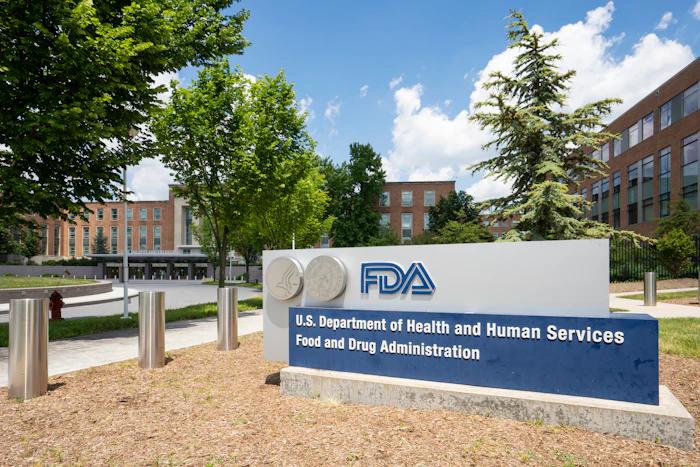
The U.S. Food and Drug Administration's (FDA) Pharmacy Compounding Advisory Committee voted in favor of Health Secretary Robert F. Kennedy Jr.’s push to promote peptides on Thursday, July 23, 2026, recommending that all four of the controversial peptides be allowed to be produced and compounded by certain pharmacies.
The news comes after the FDA staff raised questions concerning possible significant commercial conflicts of interest with some newly instated experts on the Pharmacy Compounding Advisory Committee, as its been reported that some members in question have worked for peptide-related businesses and clinics and have promoted peptides in the past.
Related: FDA Raises Conflict of Interest Questions on Peptide Advisory Panel
The peptides that are now recommend for loosened regulations include BPC-157, KPV, TB 500 and MOTS-c, which are among the seven peptides the committee is reviewing across a two-day meeting this week.
According to The Washington Post, applause broke out after the first vote Thursday morning in favor of broadening access to BPC-157, one of the more popular peptides, which is promoted for accelerating the healing of muscles, ligaments, tendons.
In addition, some of the panelist were reportedly divided throughout the session, as they fielded case studies from physicians of successful peptide treatments, arguments on the dangers of an unregulated peptides market and repeated caution from FDA scientists on the lack of data to support the peptides’ safety and efficacy.
Related: RFK, Jr. Teases Deregulation of Injectable Peptides
The BPC-157 peptide is said to have tremendous utility and was proposed to treat ulcerative colitis.
The decision on BPC-157, as well as the other three peptides, was the first of several votes. Votes on three other peptides are expected Friday. The panel’s decisions aren’t final and the FDA will ultimately make its own ruling, despite often following the advice of its committees.
If the FDA allows compounding pharamacies to make peptides into specailized medicines for physicians to perscribe, it would make peptides more accessible for Americans, as people would be able to purchase them through telehealth services.