“Clean” is the new norm. While consumerism adopts health conscious habits, the focus has primarily been on diet and nutrition. That same awareness is now permeating the beauty industry, as clients are more informed: 2025 Research from Future Market Insights reports that the global valuation of the organic personal care market size is expected to grow at a CAGR of 8.4% over the 2025 to 2035 and reach USD 76.4 billion by 2035.
The beauty and aesthetics industry now demands natural products without adverse outcomes, as advances in extraction technology and botanical formulation have made organic personal care products more effective and appealing. From clarity in labeling to third-party certifications, here’s how some salons are handling this newfound terrain.
From “Natural” to Transparency -How ingredient scrutiny is reshaping spa product standards.
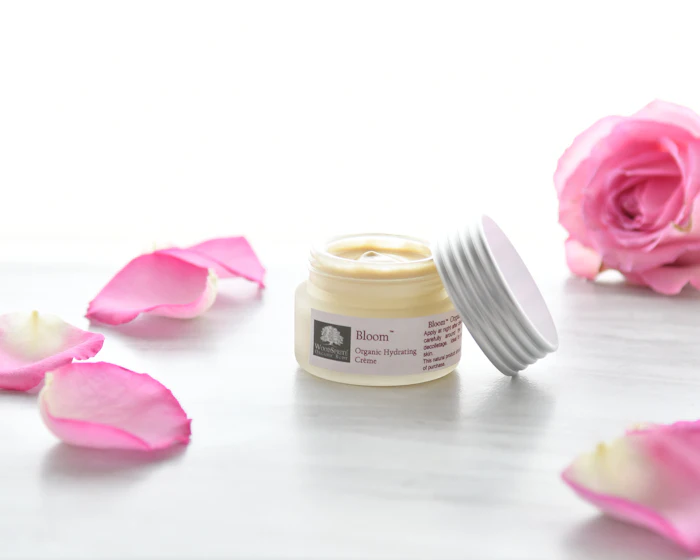
Jacquelyn Ramsey is the founder and formulator at WoodSprite Organic Body. She says when she launched 26 years ago, consumers hadn’t yet thought about what went into their skincare products.
“Today that dynamic has shifted dramatically. Consumers and spa clients are far more aware of ingredient integrity and actively seek out organic, plant-based, and holistic skincare. Many clients now expect treatments that align with wellness, sustainability, and overall health.
But a new and more complex challenge has emerged in its place: Authenticity and differentiation. The market has become saturated with ‘clean’ and ‘natural’ claims, and those terms can mean almost anything. When ingredients are thoughtfully sourced and properly formulated, plant-based skincare can deliver both therapeutic results and the sensory experience that makes spa treatments so meaningful.”
Wellness Moves Into the Treatment Room
Jacquelyn Rodriguez is the founder of Enlightened Styles Holistic Salon Academy and author of Changeworthy: How to Build a Salon That Honors People and the Planet. She says clean beauty is no longer a niche request in professional salons and spas but that it’s become an expectation.
After 14 years running a clean and sustainable salon, she sees more clients walk through the door specifically asking about ingredients, sourcing, and the overall health impact of the services they receive.
“At Enlightened Styles we work across skin, scalp, and hair, so we see firsthand how connected these systems are. Clients are no longer only focused on how their hair looks or how their skin appears. They are asking deeper questions about inflammation, scalp health, product buildup, and the long-term effects of the ingredients used in professional treatments. For many of them, a salon or spa visit is no longer just cosmetic. It is part of their overall wellness routine.
Today, advances in botanical science, fermentation, and barrier-supportive ingredients are allowing brands to create professional products that deliver results while still maintaining safer ingredient profiles. That has made it much easier for salons and medspas to adopt clean alternatives without compromising treatment outcomes.”
Results-Driven Care Meets the Clean Movement
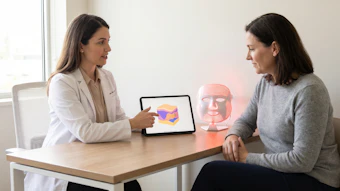
Lacey McCrary, APRN-CNP, is a nurse practitioner and co-owner of BellaDerma Aesthetics and Wellness in Shawnee, Oklahoma. She says while she’s seeing a heightened demand for “clean” in the medspa care industry, they still want a product that delivers results.
“In my practice, 2026 aesthetics is trending toward collagen-building and overall skin health, with biostimulators like Sculptra and hyper-dilute Radiesse and collagen-producing devices such as radiofrequency (including Xerf) playing a bigger role alongside medical-grade skincare. That puts ‘performance-driven’ routines and recovery-focused skin support at the center of treatment planning, which aligns…”
References:
- https://www.alliedmarketresearch.com/organic-personal-care-and-cosmetic-products-market
- https://www.futuremarketinsights.com/reports/organic-personal-care-market
- https://www.futuremarketinsights.com/reports/organic-personal-care-market