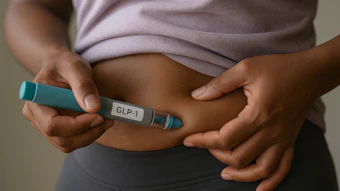
Wellness and skincare are converging as consumers increasingly seek holistic solutions that address both physical appearance and overall wellbeing. The global skincare market is projected to reach $187.68bn by 2026, with sensitive skin now reported by 71% of consumers across 18 countries — a 55% increase over the past two decades.
This shift is driving demand for gentle, science-backed solutions that support the skin barrier and adapt to stress and environmental factors. Wellness is now inseparable from beauty, with consumers prioritizing longevity, mind-body balance, and rituals that foster emotional comfort.
Related: Hyper Wellness Wave: The Latest Trend in Wellness Aesthetics
Why skin comfort (and barrier care) is being revisited
Skin barrier care is not a new concept. It has long been a foundational principle in skincare. What’s changing is the context: consumers are navigating more variables at once, including frequent cleansing, stronger actives, environmental exposure, and an ongoing stream of “viral” beauty advice. As a result, many routines are shifting “back to basics,” prioritizing comfort, resilience, and consistent feel over constant correction.
When skin feels out of balance, common sensations such as tightness, dryness, and sensitivity can lead consumers to adjust routines frequently: adding, swapping, or layering products in search of relief. Over time, this trial-and-error behavior can complicate routines and reduce confidence in what’s working. In contrast, when skin feels comfortable and steady, consumers are more likely to stick with routines that feel supportive and reassuring.
This is where “quiet workhorse” ingredients play a meaningful role: rather than chasing headline intensity, they help support the everyday conditions that make a routine feel dependable.
What is Betaine?
Betaine (trimethylglycine) is a naturally occurring compound found in many living organisms and widely used in personal care. In cosmetics, it is commonly sourced from sugar beets. Betaine is also classified as an osmolyte — a type of ingredient associated with helping cells manage water balance under environmental stress.
Unlike classic humectants that primarily attract and hold water at the skin surface, osmolytes are often discussed in terms of supporting hydration balance in response to environmental stressors like dryness or stress. In cosmetic formulations, it helps maintain both short- and long-term moisturization while contributing to improved skin comfort and feel. Crucially, its benefits extend beyond hydration alone.
Clinical and instrumental data reinforce betaine’s role in barrier support. In a four-week in-use clinical study conducted by International Flavors & Fragrances (IFF), daily application of a betaine-containing cream led to a significant reduction in transepidermal water loss, a key indicator of improved skin barrier function.

[1] WGSN Future of Skincare 2026
[2] WGSN Key Trend 2026/27: Beauty is Wellness
Figure 1: IFF’s Betaine (GENENCARE® OSMS BA) reduces skin TEWL over 4 weeks of daily use, contributes to strengthening skin barrier and protecting skin from dehydration
Betaine in action
Theory and lab data only go so far unless ingredients prove their value in real formulations. A recent collaboration between IFF and us offers a clear example of how osmolyte science translates into tangible product benefits.
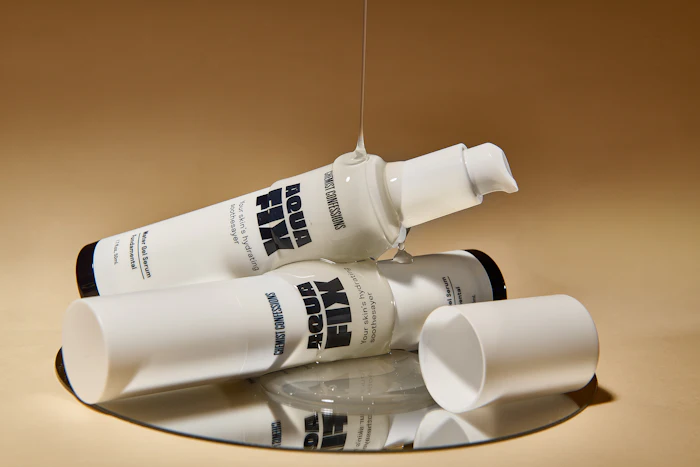
We reformulated our best-selling Aquafix Hydrating Water Gel to incorporate IFF’s naturally sourced betaine GENENCARE®OSMS BA. The decision was rooted in both skin biology and formulation performance. Betaine was selected for its ability to support cellular hydration while reinforcing skin barrier integrity — benefits that align closely with Aquafix’s positioning as a long-term, barrier-supportive hydrator.
Incorporating betaine was straightforward from a formulation standpoint: it integrated well into a water-based system without disrupting aesthetics such as color or odor. We also noted that betaine helped improve sensorial balance in a high-humectant formula — particularly by helping reduce the tackiness that can occur in glycerin-heavy hydration systems.
An additional advantage was how well betaine paired with glycerin in the formula — supporting hydration while maintaining a lighter skin sensory after-feel.

Figure 2: A combination of IFF’s betaine and glycerin showed a significant improvement in skin moisturization 8 hours after a single application, compared to the ingredients alone.
The Aquafix reformulation illustrates how “quiet workhorse” ingredients can meaningfully shape skin performance when used thoughtfully. Rather than turning to what’s trending, betaine’s validated efficacy in supporting skin’s architecture — hydration, barrier integrity, and overall skin comfort — delivers long term benefits that consumers can feel long term.
Conclusion
As wellness continues to reshape the beauty landscape, skincare is moving away from quick fixes and toward approaches that prioritize balance, resilience, and long-term comfort. The growing emphasis on barrier health reflects a deeper understanding that skin well-being is not just about appearance, but about how skin feels, behaves, and supports emotional reassurance in everyday life.
Ingredients like betaine exemplify this shift. Osmolytes work at the cellular level to help skin adapt to stress and maintain hydration balance, and can offer a quieter, more supportive form of efficacy — one that aligns with wellness-driven routines built on consistency rather than correction.
Ultimately, the convergence of wellness and skincare signals a broader change in how success is defined. As consumers rethink what it means to care for their skin, the focus is increasingly on ingredients and formulations that respect the skin’s biology, restore trust in daily rituals, and support skin health that is felt as much as it is seen.