The field of medical aesthetics has evolved far beyond surface-level beauty enhancement. Today’s patients are increasingly informed, wellness-oriented and interested in care models that address not only appearance, but also emotional resilience, stress regulation and long-term health. As a result, aesthetic professionals are beginning to look outside traditional cosmetic medicine for inspiration — particularly toward structured, integrative healthcare models that prioritize whole-person outcomes.
One such influence comes from the framework of Intensive Outpatient Treatment, long used in behavioral health and recovery settings. While originally designed to support individuals managing mental health or substance-use challenges, the principles behind these programs — consistency, accountability, interdisciplinary care and lifestyle integration — are increasingly relevant to aesthetic and wellness-based practices.
The Shift Toward Whole-Person Aesthetics
Noninvasive and minimally-invasive cosmetic procedures have always required an understanding of skin biology, healing and patient expectations. However, research continues to demonstrate that factors such as stress, sleep quality, inflammation and nervous system regulation play a critical role in treatment outcomes, skin health and patient satisfaction.
Aesthetic professionals are now recognizing that optimizing results often requires addressing upstream contributors to aging and skin dysfunction. This includes emotional stress, burnout, hormonal imbalance and chronic inflammation — factors that cannot be fully managed through devices or injectables alone.
Holistic care models inspired by outpatient treatment frameworks emphasize regular engagement, structured support and personalized care plans—elements that align naturally with the needs of modern aesthetic patients.
Structured Care Without Full Clinical Immersion
Traditional inpatient medical models are not appropriate for most aesthetic settings. However, the structure of outpatient care — scheduled touchpoints, progressive treatment plans and multidisciplinary oversight — can be adapted effectively without crossing clinical boundaries.
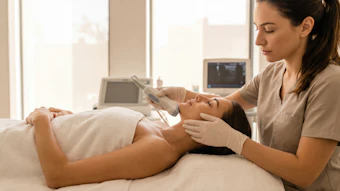
 Holistic care models inspired by outpatient treatment frameworks emphasize regular engagement, structured support and personalized care plans.anatoliycherkas at Adobe Stock
In behavioral healthcare, outpatient treatment programs provide patients with consistency and accountability while allowing them to maintain their daily lives. Similarly, aesthetic practices are finding value in structured wellness programs that complement cosmetic treatments without medicalizing the experience.
Examples include:
- Multi-week skin health or recovery programs
- Guided lifestyle interventions supporting post-procedure healing
- Stress-management and recovery protocols integrated into treatment plans
These approaches help bridge the gap between procedure-based care and long-term patient outcomes.
Nervous System Regulation and Aesthetic Outcomes
Emerging research in psychoneuroimmunology suggests that chronic stress negatively impacts collagen synthesis, wound healing, inflammation control and skin barrier function. Patients experiencing high levels of stress may see diminished or inconsistent results from aesthetic treatments.
Outpatient treatment models place strong emphasis on nervous system regulation, routine and behavioral consistency. When aesthetic practices incorporate similar principles—such as education around stress management, recovery optimization, and lifestyle rhythms—they create an environment more conducive to positive cosmetic outcomes.
This does not require aesthetic professionals to treat mental health conditions. Rather, it involves acknowledging the interconnectedness of mind and body and designing patient experiences that support regulation, predictability and trust.
Patient Engagement and Long-Term Retention
One of the most transferable lessons from outpatient care is patient engagement. Rather than one-off interventions, outpatient programs rely on continuity and relationship-based care. This aligns closely with the goals of aesthetic practices seeking to build long-term patient relationships rather than transactional visits.
Structured holistic programs encourage:
- Ongoing communication between provider and patient
- Clear expectations and measurable progress
- A sense of partnership in the care journey
Patients who feel supported beyond the procedure itself are more likely to adhere to post-treatment recommendations, return for maintenance care, and view their provider as a trusted advisor rather than a service vendor.
Interdisciplinary Thinking in Aesthetic Practice
Another hallmark of outpatient treatment models is interdisciplinary collaboration. While medical aesthetics remains a specialized field, it increasingly intersects with dermatology, nutrition science, stress physiology and wellness education.
Forward-thinking practices are beginning to integrate educational resources, recovery-focused protocols and wellness-adjacent services that complement aesthetic treatments. This interdisciplinary mindset does not dilute medical rigor; instead, it enhances outcomes by addressing the broader ecosystem influencing skin health and aging.
Ethical Considerations and Professional Boundaries
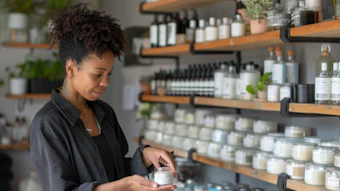
It is important to note that while outpatient-inspired models offer valuable Patients who feel supported beyond the procedure itself are more likely to adhere to post-treatment recommendations.mariiaplo at Adobe Stock
The success of these models lies in adaptation, not replication—borrowing structural principles while respecting scope of practice, regulatory standards, and ethical responsibilities.
The Future of Aesthetic Care Models
As patient expectations continue to evolve, the aesthetic industry is likely to see greater integration of structured wellness frameworks that support both physical and emotional resilience. Intensive outpatient treatment models offer a compelling blueprint — not because they address aesthetics directly, but because they demonstrate the power of consistency, personalization and whole-person care.
By thoughtfully adapting these principles, aesthetic professionals can create care experiences that feel more supportive, more effective and more aligned with the realities of modern patient wellness — without sacrificing clinical integrity or aesthetic excellence.