Patients often ask, “What can I do before I need a facelift?” Options range widely.
Non-invasive treatments can improve skin quality and, in selected patients, provide modest tightening. Injectables can soften expression lines or restore lost volume. These treatments have value, but they have limits when the underlying issue is tissue that has descended with age. Minimally invasive surgical techniques offer a middle path for appropriately selected patients.  By Daniel via Adobe Stock
An endoscopic midface lift is a good example: it lets me reposition the midface cheek tissues through small, concealed incisions in the hair-bearing scalp. It is still surgery, but it can address a specific structural change without the incisions and skin removal associated with a more comprehensive facelift.
The ideal candidate has noticed early to moderate descent of the cheeks but still has reasonably good skin elasticity and relatively little excess skin. They may describe flatter cheeks, early jowling, a more pronounced transition between the lower eyelid and cheek, or a tired appearance that does not reflect how they feel.
Related: [Technique] Midface Rejuvenation with HA Fillers
This often includes patients in their late 30s, 40s, and early 50s, although anatomy matters much more than a birthday. Some younger patients do not need surgery at all, while some older patients remain suitable candidates for a targeted approach.
The distinction I look for is whether we primarily need to reposition tissue or also remove substantial excess skin. When significant jowling, loose neck skin, or deeper neck changes are present, an isolated endoscopic midface lift will not adequately address those concerns. That patient may be better served by a comprehensive facelift and necklift. Choosing the appropriate operation is far more important than choosing the smallest incision.
Related: Galderma’s Restylane Shaype Earns First Global Jawline Filler Approval in Mexico
I start by asking what the patient sees and what bothers them. “I look tired” can mean several different things: cheek descent, volume loss, lower eyelid changes, brow position, or sun-damaged skin. Those problems require different solutions.
 By Bim via Adobe Stock
Then I explain what an endoscopic midface lift could realistically improve, and which concerns would remain. If volume loss is also important, we may discuss conservative fat grafting. If brow descent or eyelid aging contributes to the tired appearance, those areas deserve their own assessment.
Related: The New Standard in Facial Surgery: Why the Best Facelift Looks Like Nothing Was Done
Before moving forward, the patient needs to understand the alternatives, anesthesia plan, risks, recovery, and follow-up care. My goal is for them to make an informed decision with a clear understanding of why this particular approach fits their anatomy.
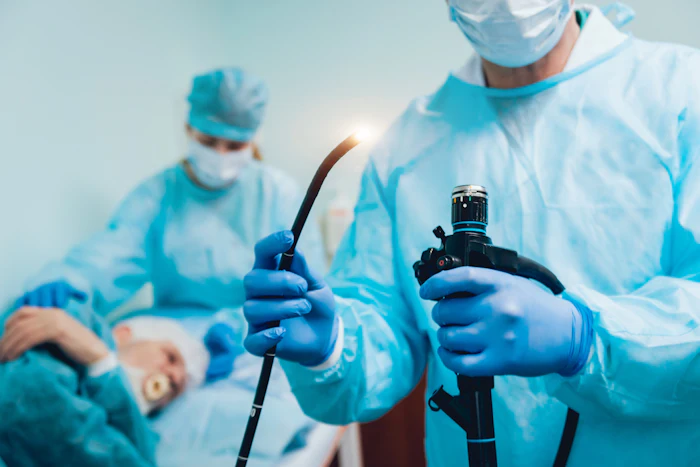
An endoscope is a slender instrument with a small camera that gives me an illuminated, magnified view beneath the skin. Through small incisions concealed within the hair-bearing scalp near the temples, we can carefully release the attachments restricting movement of the cheek tissues, elevate those tissues, and secure them in a more youthful position. The precise access and fixation method vary with the technique and the patient’s anatomy. By Abode stock
In accessible terms, I am lifting the cheek’s existing soft tissue back toward where it used to sit. That can restore cheek contour and improve the transition between the lower eyelid and cheek.
A conventional comprehensive facelift generally uses incisions around the ears, allows broader treatment of the lower face, and permits removal of excess skin. The endoscopic midface lift is more targeted. It does not replace a full facelift or necklift when those procedures are needed.
The hidden incisions are an advantage, but the real value is the ability to reposition deeper tissues under direct visualization. “Hidden” also does not mean scar-free; incision planning must account for the patient’s hairline and hair density.
The biggest misconception is that a small incision means a small recovery. We are still working beneath the skin and repositioning tissue, so swelling, bruising, tightness, and temporary changes in sensation can occur. The cheeks and under-eye area may look puffy or unusually elevated early on.
A reasonable planning window is approximately two weeks away from public-facing work and social commitments, with some patients needing longer. Being comfortable working from home is different from feeling ready for photographs or an important event. Residual swelling can persist for several weeks, and the result continues to soften and settle over the following months.
Recovery also depends on whether we combine the lift with other procedures. Patients receive specific instructions about incision care, sleeping position, activity restrictions, and a gradual return to exercise.
I also discuss risks openly, including bleeding, infection, asymmetry, scarring or hair loss near an incision, nerve injury, and the possibility of revision. Smaller incisions do not eliminate surgical risk. Close follow-up and knowing when to contact the surgical team are part of the treatment.
At AdmireMD, my goal is for patients to look like themselves - refreshed, balanced, and naturally rejuvenated. An endoscopic technique is one valuable tool within that philosophy, and its success begins with selecting the right patient.
I think about facial rejuvenation in three connected areas: tissue position, volume, and skin quality. A lift addresses position. Carefully selected volume restoration may address deflation. An individualized skin optimization plan addresses texture, pigmentation, sun damage, and ongoing skin health.
Natural, enduring results come from understanding how those pieces fit together and supporting patients over time. No procedure stops aging, and no single technology addresses every aspect of it. The best plan is the one that respects the patient’s anatomy, preserves their identity, and makes sense for where they are in the aging process.