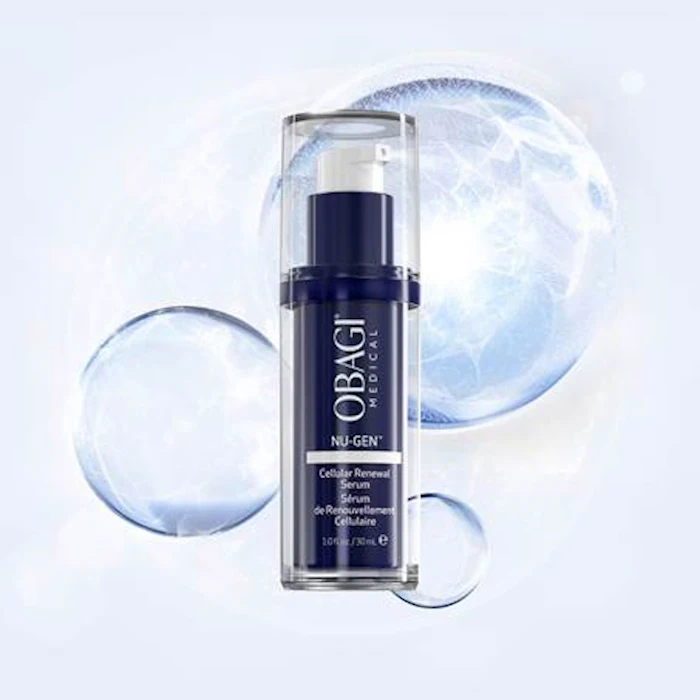
38-year-old professional skincare brand, Obagi Medical, was sold to private equity firm, Bridgepoint Group, for up to $460 million on July 1, 2026, according to reports.
Waldencast, who acquired both Obagi and Milk Makeup in a $1.2 billion three-way transaction in November of 2021, agreed to sell the Texas-based dermatological skincare business at a deal that reportedly represents a 2.8X multiple on the brand’s $161.6 million in sales and a 23.7X multiple on its $19.4 million in adjusted earnings before interest, taxes, depreciation and amortization
Related: Waldencast To Acquire Obagi and Milk Makeup Brands
Industry observers say the deal reflects broader changes unfolding across the medical aesthetics landscape.
Dr. Reena Jasani, who is a medical aesthetic practitioner and founder of Aesthetics by Reena, says practices are becoming more retail aware and brand consistent, oftentimes with in-house skincare menus or partnering exclusively with a small number of physician led brands.
"Patients expect continuity, so if they trust a practitioner for injectables, they also want skincare recommendations that feel aligned with that same clinical philosophy rather than generic retail advice. Many medspas are now training staff to think like skin coaches rather than procedural providers, which means every treatment visit includes product guidance as part of a longer term plan. The operational shift is significant because it requires inventory management, education, and a more structured patient journey, but it also increases revenue per patient and strengthens loyalty when done well," says Dr. Jasani to MedEsthetics.
SkinMedica is another established physician-dispensed skincare brand that now a strategic asset within a broader aesthetics ecosystem. Following its acquisition by Allergan Aesthetics in 2012 — which is a subsidiary of the global pharmaceutical company AbbVie — SkinMedica joined a portfolio that includes Botox Cosmetic, Juvederm and DiamondGlow, all under the Allergan Aesthetics umbrella. The outcome is a portfolio that Allergan can now market as an integrated aesthetic offering.
Dr. Nora Albaldawi, who is the principal dentist at Skintique Beautiful Smiles, says because physician-dispensed skincare brands are increasingly being viewed as strategic assets within larger aesthetic ecosystems rather than singular beauty companies, skincare is now positioned as apart of a patient's treatment plan before, during and after procedures, as opposed to a standalone retail category.
"Over the next three to five years, I'd expect to see continued convergence between dermatology-led skincare, injectables and clinic-based treatment ecosystems, where brands are valued based on how well they can lock in patients across multiple touchpoints rather than just product sales," Albaldawi says.
"We're not entering this era — we've already been here for the last few years," Jennifer Fleming, CEO of The Alchemy Clinic and Aesthetic Medicine Masters candidate at Queen Mary University, says to MedEsthetics. "Investor and private equity interest in aesthetic brands is driven by a simple reality: this space is profitable, cash-based, and carries high-yield margins. Beyond the financials, aesthetic medicine and skincare tap into something deeply human — the desire to feel beautiful, build confidence, and address our inherent self-consciousness about appearance," Fleming continues.
For aesthetic practices, the shift underscores the growing importance of patient lifetime value.
"Consumers place a high value on trust and continuity," Bathula Meghana, the founder and CEO of GlowBareSkin, tells MedEsthetics. "As a founder, I've noticed that people are seeking guidance rather than just products. This creates an opportunity for practices to offer a more holistic approach that combines treatments with carefully selected skincare regimens and ongoing support. Patients increasingly want a trusted partner throughout their skin health journey instead of one-time procedures."
"The acquisition validates consumers' demand for science-backed, results-oriented skincare more than it validates any particular label. In my experience, consumers care less about marketing terminology and more about trust, ingredient quality, and outcomes. Independent practices that focus on education, personalization, and long-term relationships will continue to have a meaningful advantage, even as larger players consolidate the market,"Meghana continues.