Unilever PLC and McCormick & Company have entered into a definitive agreement to combine Unilever Foods with McCormick, creating a global leader in spices, seasonings and condiments with a combined portfolio revenue of approximately $20 billion. The transaction marks a massive strategic shift for Unilever as it transforms into a pureplay beauty, well-being, personal care and home care company.
The deal values Unilever Foods at an enterprise value of $44.8 billion, representing a multiple of 13.8x EV/EBITDA. Executed as a tax-efficient reverse Morris trust, the deal gives Unilever and its shareholders a 65.0% fully diluted equity stake in the combined company (valued at $29.1 billion).
Unilever will receive $15.7 billion in cash at closing, which will be used to offset separation costs, pay down debt, and fuel €6 billion in share buy-backs through 2029. The combined entity expects to realize $600 million in annual run-rate cost synergies by the end of the third year.
Unilever shareholders will own 55.1% of the new entity, while Unilever will retain a 9.9% direct stake. Existing McCormick shareholders will own the remaining 35.0%. Post-separation, Unilever becomes a sharper €39 billion pureplay health and personal care business, with roughly 90% of its revenues derived from brands holding the #1 or #2 market position, according to its analysis.
McCormick will maintain its global headquarters in Hunt Valley, Maryland, and its NYSE listing, while establishing a new international headquarters in the Netherlands and pursuing a secondary European listing.
The combined company will be led by McCormick’s current leadership: Brendan Foley as chairman, president and CEO, and Marcos Gabriel as EVP and CFO.
The board of directors will consist of 12 members, with Unilever appointing four of those seats. Senior management representation will include leaders from both McCormick and the legacy Unilever Foods business.
The transaction is expected to close by mid-2027, pending McCormick shareholder approval and regulatory clearances.
Previously (March 20, 2026): Unilever is weighing a separation of its €30 billion food business, per a Reuters report, which has now been confirmed by Unilever itself. While investors expressed concern regarding CEO Fernando Fernandez getting "distracted" by another major split so soon after the ice cream unit spin-off, the move has significant positive implications for Unilever’s beauty and personal care divisions.
In a statement, Unilever said:
Unilever notes recent media speculation regarding a potential transaction involving its Foods business.
The Board believes Foods is a highly attractive business, with a strong financial profile led by market-leading brands in growing categories and is confident in the future of the Foods business as part of Unilever.
Unilever confirms that it has received an inbound offer for its Foods business and is in discussions with McCormick & Company, Inc. There can be no certainty that any transaction will be agreed.
McCormick issued its own statement:
McCormick & Company, Incorporated (NYSE: MKC), ("McCormick" or the "Company"), in response to the announcement issued by Unilever earlier today, confirmed that it is engaged in discussions with Unilever regarding a potential strategic transaction involving Unilever's Foods business.
While these discussions are ongoing, there can be no certainty or assurances as to whether an agreement for a transaction will be reached or as to the terms or timing of any such transaction. McCormick regularly evaluates its portfolio and strategic options in pursuit of maximizing shareholder value and consistent with its fiduciary duties and in consultation with its financial and legal advisors.
The Company does not intend to make any additional comments regarding this matter unless and until it is determined that additional disclosure is appropriate or necessary.
Strategic implications for the beauty and well-being sector include:
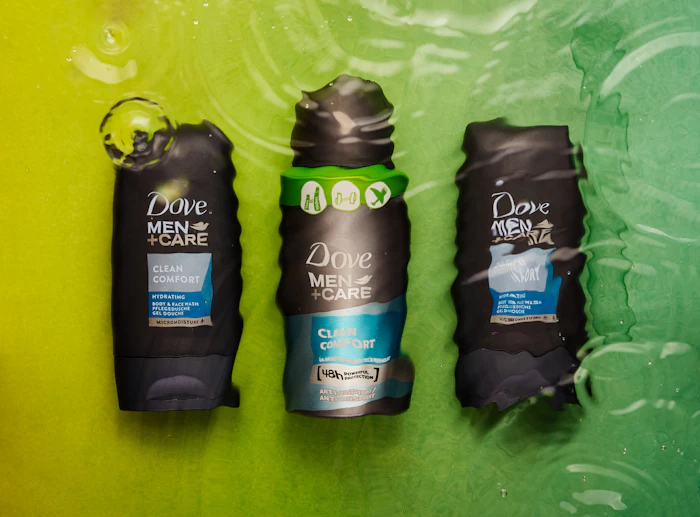
- Accelerated Growth Focus: Unilever’s beauty and wellbeing unit, which includes Dove and Vaseline, grew underlying sales by 4.3% last year, significantly outperforming the food division's 2.5% growth.
- Scientific Differentiation: Analysts note that personal care brands are more resilient than food assets because companies can more effectively market expensive products as being scientifically superior to cheaper private-label alternatives.
- Portfolio Streamlining: A food spin-off would complete a years-long restructuring effort, pushed by activist investor Nelson Peltz, to shift Unilever away from low-growth "anemic" food categories toward high-performance beauty and wellbeing.
- Increased Agility: By shedding food assets like Knorr and Hellmann’s, Unilever can focus its capital and R&D on meeting its short-term goal of 4–6% annual underlying sales growth, a target currently hindered by the food business.
This potential shift arrives as the broader market faces pressures from GLP-1 trends and an "anti-packaged food" sentiment, further positioning scientific beauty and personal goods as the company's primary value drivers.