Create a free MedEsthetics account to continue reading
Marketing as a Form of Patient Education: Why Thoughtful Content Reduces Fear, Misinformation and Unrealistic Expectations
Jan 23rd, 2026
Marketing in medical aesthetics isn’t just promotion—it’s patient education that builds trust, shapes expectations and improves outcomes before anyone even walks in the door.
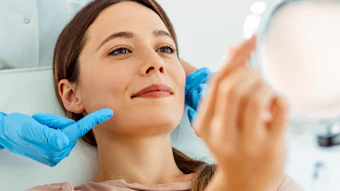
Courtesy of Pixel-Shot at Adobe Stock
If you’re running a medical aesthetics practice today, marketing is no longer just how patients find you. It’s how they learn. Social media and digital platforms are typically the first exposure patients have to aesthetic treatment options, including what they think treatment is, what results should look like, what they’re afraid of and who they decide to trust.
And just like any business, the goal of marketing is to bring education and value that builds trust. Medical aesthetics is no different.
Where it gets challenging is that in this industry, outcomes are not one-size-fits-all. They can vary widely based on provider training, depth of knowledge, technical proficiency and the practice’s values and approach.
That’s why content cannot just be pretty. In this space, content is communication, and communication shapes expectation.
Marketing is the first classroom, whether we like it or not
Many patients learn about anatomy, aging and treatment options through marketing before they ever book a consultation. That means your Instagram, your website, your YouTube and your ads are not just “promotion.” They’re patient education.
This is where you have both a responsibility and an opportunity:
Responsibility: reduce confusion, fear and unrealistic expectations before they walk in.
Opportunity: build trust faster by showing how you think, how you treat and what patients can realistically expect.
Fear and misinformation grow in the gaps
In the trenches, fear almost always comes from uncertainty. Patients worry they will look overdone. They worry they will not look like themselves. They worry they will be judged. When their only reference point is viral content, filters or dramatic outcomes with no context, they fill in the gaps with assumptions.
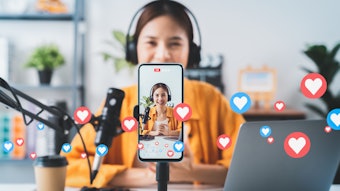
Consistently sharing provider-led, educational content not only builds trust with real patients but also strengthens your online visibility, making your practice the obvious choice when they’re ready to book.Courtesy of svetograph at Adobe StockMisinformation spreads quickly because it is simple. Education takes a little more effort because it requires nuance, and nuance is where the truth lives. And unrealistic expectations are usually not “bad patients.” They are a natural result of the internet teaching people the wrong baseline for what results should look like. Thoughtful content fixes this, not by overexplaining, but by being consistent and clear.
A perfect example: neurotoxin vs. filler confusion is still everywhere
Even now, there is still a lack of understanding between neurotoxin and filler. People who do not know the difference often assume that any injectable is going to drastically change their appearance in an unfavorable way. That’s simply not the case.
This is the type of assumption that can be easily overcome with clear education, plain language explanation and realistic outcomes.When you consistently explain what each treatment does, who it is for and what the goal is, you remove stigma. You reduce fear. You create better conversations before the consultation even happens.
What 'thoughtful content' actually looks like
The practices that do this well do not rely on trends. They build a content system that consistently puts the provider at the forefront, showing and explaining procedures, protocols and outcomes.
For each service you promote, your content should cover:
What it is, in plain language
What it is for, and what it is not for
How it is performed, high level, not a medical lecture
What it feels like, including common fears
What results typically look like, realistic not extreme
Timeline for results, and how long they last
Variables that affect outcomes, because results are personalized
Your philosophy and approach, so patients self select into the right fit
This is how you reduce misinformation without sounding defensive. You educate by leading.
Go beyond social posts, build real patient education assets
Short form content builds awareness, but if you want to reduce fear and confusion and build real credibility, you also need deeper education that builds trust now so you’re the obvious choice when they’re ready to book. This can include:
Website service pages that explain process and expectations, not just benefits
Videosthat walk through procedures and recovery
Podcasts that break down myths and decision making
Webinars that teach injectables 101 or the differences between lasers
Ebooks and guides that answer common questions
Quizzesthat help patients identify concerns and learn options, with clear disclaimers that a consult is required
When these assets work together, patients self educate into confidence.
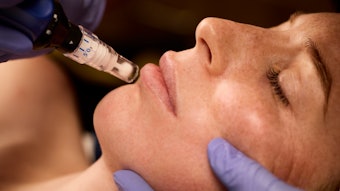
Patients are searching online for answers to questions like ‘What’s the difference between Botox and filler?’ and thoughtful, educational marketing gives them clear, trustworthy guidance before booking a consultationCourtesy of anatoliycherkas at Adobe StockThe added benefit: authoritative education helps you show up in Google and AI search
This is the part many practices are missing right now. Education-driven marketing is not only about patient trust. It’s also becoming a visibility strategy.
Patients still use Google, but more and more, they’re using AI platforms as a shortcut to answers and recommendations. They’re asking questions like, “What’s the difference between Botox and filler,” “What should I do for under eye hollowness,” and increasingly, “Best medspa in Midtown Miami” or “Who’s the top injector near me.” They want a clear answer fast, and they want to feel confident the recommendation is credible.
Search engines are actively trying to prioritize helpful, reliable, people-first content, especially when it relates to health and safety. AI tools work similarly. They synthesize information from across the web and tend to surface the practices that look consistent, well-documented and trustworthy based on what’s publicly available.
That means educational content is doing double duty. It’s helping patients make better decisions, and it’s sending credibility signals that support discoverability in both Google search and AI-driven results.
The takeaway is simple: when you publish authoritative, provider-led education across multiple platforms, you’re building trust with real people and strengthening your practice’s credibility across the internet.
The payoff is better patients and better outcomes
When marketing is treated as patient education, the quality of your patient journey improves before anyone even calls your office.
Patients show up:
Less afraid
More informed
More realistic
More aligned with your approach
More ready to commit to a plan
That makes consultations smoother, outcomes stronger and retention easier. Because in medical aesthetics, marketing is not just promotion — it’s the first step in patient care.
About the Author
Hillary Small is the founder of The MedSpa Society, a boutique branding, marketing and growth consultancy built specifically for cash-pay aesthetic and wellness practices.Hillary Small is the founder of The MedSpa Society, a boutique branding, marketing and growth consultancy built specifically for cash-pay aesthetic and wellness practices. With a hands-on, operator-first approach, she helps medspas, IV therapy clinics and longevity-focused practices grow with clear positioning, high-converting patient acquisition systems and retention strategies that drive recurring revenue.
Small is also the creator of the MedSpa Marketing Shop, a resource library of templates and tools that make agency-level marketing accessible for practice owners, and the founder of Connect CRM, a conversion-focused CRM platform designed to capture, nurture, and book more leads. She hosts The Cash Pay Podcast, where she shares practical strategies on marketing, operations and scalable systems to help practices build profitable, sustainable growth.

 Consistently sharing provider-led, educational content not only builds trust with real patients but also strengthens your online visibility, making your practice the obvious choice when they’re ready to book.Courtesy of svetograph at Adobe Stock
 Patients are searching online for answers to questions like ‘What’s the difference between Botox and filler?’ and thoughtful, educational marketing gives them clear, trustworthy guidance before booking a consultationCourtesy of anatoliycherkas at Adobe Stock
 Patients are searching online for answers to questions like ‘What’s the difference between Botox and filler?’ and thoughtful, educational marketing gives them clear, trustworthy guidance before booking a consultationCourtesy of anatoliycherkas at Adobe Stock
 Hillary Small is the founder of The MedSpa Society, a boutique branding, marketing and growth consultancy built specifically for cash-pay aesthetic and wellness practices.