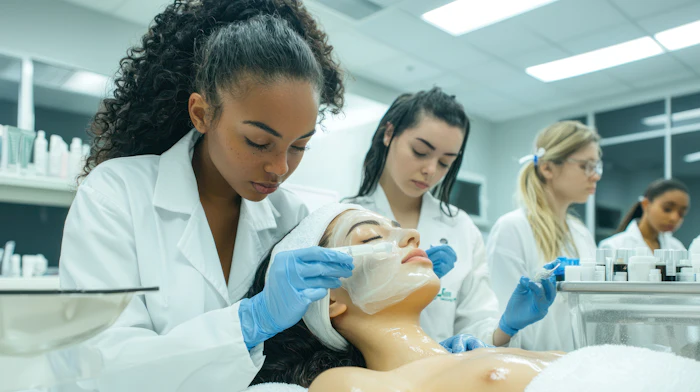
Set to take effect in July 2026, Congress' Do No Harm proposal, which was agreed upon in January this year and stems from the One Big Beautiful Bill (OBBB) Act, has drawn the ire of many in the higher education realm, as estimates suggest 92.5% of cosmetology and related personal grooming services and 89% percent of somatic bodywork and related therapeutic services will be impacted by the set of rules.
Undergraduate programs are in jeopardy of losing their Title IV Higher Education Act (HEA) funds if they fail to demonstrate that their graduates, on average, earn more than other adults with a high school diploma aka the "Do Not Harm" test. Graduate programs on the other hand, must exhibit higher earnings than undergraduate programs in a similar field of study.
Related: 6 Ways Social Media Trends Impact Patient Education [Survey Results]
A new report by former Principal Deputy Under Secretary Diane Auer Jones, who served in President Donald J. Trump’s first administration, concludes that using the Do Not Harm earnings test as the accountability metric to distinguish between high- and low-performing institutions and academic programs “generates results designed to misinform the public and defame programs that are academically sound and in full compliance with every other Title IV requirement.”
Described as a “one-size-fits-all” measure, Ms. Jones believes Do No Harm ultimately fails to encapsulate the comprehensive academic and socioeconomic picture of many student borrowers by utilizing faulty data and flawed methodology.
"Given that the cosmetology industry consists mostly of small, independently operated salons and self-employed workers, there would be tremendous inefficiencies if every salon were to set-up their own apprenticeship program, making this approach far too expensive for employers, and likely subjecting apprentices to lower-quality instruction," Jones said.
The report states applying the Do No Harm median wage comparison to undergraduate certificates fails to account for the compounding variables that might influence the wages received by graduates. That includes failing to account for the preferences of many female students, who may also be mothers, pursuing beauty and wellness programming that leads to jobs that offer schedule flexibility or the ability to work part-time.
Calculating median wage comparisons that unfairly juxtapose the salaries of a part-time employee against a skilled tradesman who has been on the job for potentially more than a decade severely impacts the validity of the data being reviewed. Worse, the proposed method of capturing the wage data does not reflect all income actually earned.
"The DNH metric inflicts collateral reputational harm on all graduates of a school, and in the case of cosmetology, on all workers in the field - not just those in the evaluated cohort—who worked hard, performed well, and passed licensure exams," Jones said.