On February 24, The American Academy of Facial Plastic and Reconstructive Surgery (AAFPRS), the world’s largest association of facial plastic and reconstructive surgeons, unveiled its highly anticipated 2025 Annual Survey statistics and trends.
The study reveals a defining shift in modern aesthetics – from dramatic, late-stage interventions and visibly overdone results, to more subtle, strategic approaches focused on natural-looking outcomes.
MedEsthetics did a round-up of the revelations and spoke with Dr. Anthony E. Brissett, who is the president of (AAFPRS), to shed more light on what these trends mean for the industry at large.
1. Facial Plastic Surgery: Largest Surge in Years
AAFPRS reports a projected 19 percent increase in facial procedures nationwide (totaling an estimated 1.6 million procedures) – one of the strongest growth moments the specialty has seen in years, reflecting both rising demand and growth in patient confidence in facial plastic surgery (across surgical and non-surgical care) when performed by highly trained specialists. As demand for both surgical and non-surgical treatments rise, minimally invasive treatments continue to reign supreme amongst men and women.
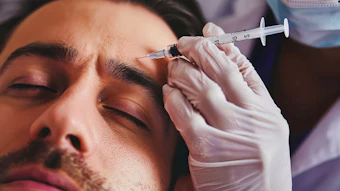
AAFPRS members report that non-invasive treatments account for an impressive 80 percent of all procedures – the most popular being neurotoxins and fillers, reinforcing a broader shift toward results that are discreet, highly customizable, and compatible with busy lives.
Cornerstone surgeries remain constant. Rhinoplasties (commonly referred to as “nose jobs”), facelifts (including partial facelifts), and blepharoplasties (“eye lifts”) continue to rank as the top surgical procedures for both women and men, consistent with trends observed over the past six years.
Related: VIO Med Spa Enters 2026 Positioned for Continued Expansion
2. The Great Gender Divide Is Disappearing.
Patients are no longer defining their aesthetic choices by gender norms, but by how they want to look, feel, and age. Procedures once considered predominantly female or male are now drawing a far more balanced mix of patients.
One in four AAFPRS members report that otoplasty, non-surgical hair restoration treatments, chin augmentation, facial implants, rhinoplasty, revision surgery, PRP injections, fat-dissolving injections, and non-invasive energy-based fat reduction are now performed about equally between women and men. Hair transplantation remains the only procedure where men still significantly outnumber women, yet even that gap is narrowing. In 2019, 50 percent of surgeons reported hair transplantation as a “mostly male” procedure. But now that percentage has dropped to 33 percent, while the proportion of practices reporting more female than male patients has continued to rise from 11 to 17 percent. Of note: surgeons performed about twice as many hair restoration treatments in 2025 compared to 2024!
3. Age Isn’t Just a Number – It’s a Strategy.
One of the most meaningful shifts in this year’s survey isn’t which procedures patients are choosing, but when they’re choosing to do them.
AAFPRS facial plastic surgeons overwhelmingly predict that the average age of facelift patients will continue to trend younger – a shift already taking shape, as 57 percent of surgeons report an increase in patients under 30 requesting cosmetic procedures or injectables, with many strategically opting for subtle, preventative approaches designed to preserve facial structure, support long-term skin health, and promote more graceful aging over time
At the same time, the age distribution for certain aesthetic treatments remains remarkably consistent. Patients 34 and younger continue to make up the majority of rhinoplasty patients, while those aged 35 to 55 form the core of patients getting neurotoxins and other non-surgical treatments. Patients 56 and older continue to account for the majority of blepharoplasties, facelifts, and brow lifts.
Related: New Surveys Show Preventive Aesthetics Booms Among Younger Generations
4. GLP-1’s Have Altered the Face of Aesthetics
Weight-loss medications like semaglutide have permanently altered the aesthetic landscape. While these drugs are delivering dramatic results below the neck, their effects are increasingly visible above it. 67 percent of AAFPRS facial plastic surgeons report an increase in patients seeking treatment related to rapid weight loss, up 45 percent from last year.
These GLP-1 side effects are driving renewed demand for facial rejuvenation, with AAFPRS members reporting a second consecutive year of 50 percent growth in fat grafting procedures as patients look to restore lost volume, softness, and balance. With no signs of slowing down, one in four surgeons also predict that GLP-1 usage could cause a spike in non-surgical treatments.
Related: How GLP-1s Are Reshaping Aesthetic Medicine—And Why Matrix™ by Candela Is Meeting the Moment
5. Menopause Goes Mainstream
2025 demonstrated a rise of menopause-driven aesthetic care, with 45 percent of facial plastic surgeons reporting that more women are now explicitly referencing menopause or perimenopause as a reason for seeking treatment – a significant increase from 28 percent just last year. These numbers reflect a broader cultural shift, indicating that menopause is no longer taboo, and women are demanding effective solutions during this life stage.
66 percent of AAFPRS members reported a rising trend in eyelid procedures to look less tired, while 50 percent say patients are turning to cosmetic treatments to remain competitive in the workforce.
6. Patient Motivators: It’s Not the Downtime or the Price Tag – It’s Looking “Done.”
Perhaps the most revealing shift in this year’s survey is that patients’ primary concern is no longer cost, recovery time, or even choosing the right surgeon – it’s looking unnatural. In an era defined by constant visibility and heavy social media scrutiny, today’s patient is more informed, more discerning, and far less forgiving of results that announce themselves.
After years of exaggerated filler trends dominating feeds and faces, patients are weary of outcomes that seem obvious or overworked.
7. Technology as a Tool – Not a Crutch
Technology continues to play a supportive role in how facial plastic surgery is evolving. More than half of AAFPRS members say virtual consultations and digital follow-up options are on the rise, giving patients greater access, continuity, and convenience without sacrificing quality of care.
However, AAFPRS members remain intentional about how newer technologies, like AI, are brought into their practices. Rather than turning to automation, surgeons remain focused on adopting tools that genuinely enhance communication, personalization, and the patient experience, without replacing clinical judgment or expertise.