Your practice can have a beautiful, curated retail wall with every shelf stocked and gorgeous lighting. The products can be organized and perfectly presented like a magazine spread. But if nobody is buying it, none of that matters.
When I ask front desk teams, managers, and practice owners how retail is performing, I typically get answers like, “Fine, I think it's good.”
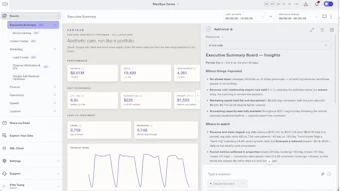
Related: Terri Ross Introduces APX Business Intelligence Platform for Aesthetic Practices
When we finally pulled the data, retail was often only 5-6% of total revenue. In fact, the industry is only at 9%, which seems crazy with all of the skincare brands out there. This tells me again it's a training and sales problem.
At Terri Ross Consulting, we set benchmarks for retail to account for approximately 20 percent of total revenue. Professional-grade skincare market demand continues to grow, yet many practices still treat retail like a secondary revenue stream. They order products, build a beautiful display, and then hope patients ask about it.
The retail opportunity is significant. According to Guidepoint Qsight’s 2026 Medical Aesthetics Industry Trends report, patient spending on professional-grade skincare reached $2.3 billion in 2025, up 9% from the prior year and continues to trend upward.
The question for every practice owner now is, “How much of that growth is your practice actually capturing?”
Related: Terri Ross Consulting and Cherry Financing Form New Partnership
Skincare should be built into the comprehensive treatment plan and managed with the same discipline you apply to every other revenue driver in the practice, with clear targets, consistent tracking, and accountability.
For many practices, one of the greatest opportunities for additional revenue comes from the patients they are already treating every day.
The Real Cost of “We Don’t Really Push Retail Here”
I hear this phrase often, usually from providers who do not want to feel salesy or from owners who believe patients will buy skincare if they want it.
The reality is that patients are already looking to aesthetic professionals for direction. Industry research from the same Qsight report has shown that consumers rely on aesthetic professionals when making professional-grade skincare purchasing decisions.
Skincare recommendations should be part of any treatment plan. If a patient is investing, for example, $3000 in a laser and leaves without clear guidance on what products to use at home and why, the consultation is incomplete, and we lack the skills to educate.
Home care affects recovery, maintenance, outcomes, and the longevity of the patient’s investment. That recommendation should happen in the treatment room. For example, if you perform a microneedling treatment, the conversation about Hydrating Serum + Barrier Moisturizer + SPF → Recovery Product → Maintenance/Corrective Serum
should happen before they get out of the chair. It should not depend on whether someone at the front desk remembers to ask if they need to purchase anything off the shelf.
The same principle applies across the practice for a variety of services, injectables, laser treatments, microneedling, resurfacing, surgery, etc. Every consultation should include a treatment plan that creates natural opportunities to connect professional treatments/procedures with an appropriate home-care plan.
Related: How to Maximize Consultation Success
Practices that make those recommendations consistently create better outcomes and give patients a clear plan for maintaining their results at home.
The Four Retail Numbers to Track
Retail performance should be visible. If your team cannot answer four basic questions, you do not have enough data to manage the category effectively.
1. Retail revenue as a percentage of total revenue: What percentage of your monthly revenue comes from skincare and retail products? Again, the TRC benchmark we use when working with practices is approximately 20 percent.
If your number is significantly lower, that should trigger a closer look at your team and the sales process. This includes the patient consultation experience, provider recommendations, product education, and follow-up process. Before adding another product line or ordering more inventory, determine how effective your team is; investing in professional sales training may be the best way to achieve the results and growth you want for the practice.
2. Retail attachment rate by provider: Track the percentage of patient visits that include an appropriate skincare purchase, then break that number down by provider. This is where the data becomes useful.
If one provider has a 35 percent attachment rate and another has an 8 percent attachment rate, patient demand probably did not change from one treatment room to the next. The difference is usually in the conversation. That is why we recommend sales training for your entire team.
One provider may consistently recommend home care, explain why it matters, and connect products directly to treatment-plan outcomes. Another may wait for the patient to ask. That variation gives your leadership something concrete to coach providers on and shows whether the retail process is standardized across the practice.
Before spending another dollar on patient acquisition, practice owners should know how much revenue they're missing inside the appointments they already have.
3. Treatment-to-skincare cross-purchase rate: Certain procedures should naturally generate a skincare conversation. Chemical peels, microneedling, laser procedures, resurfacing, facelifts, etc. are obvious examples and should include skincare.
Here’s an example: Qsight’s transaction data reported that roughly one in four non-energy-based skin rejuvenation visits included a professional-grade skincare purchase during the same visit. Those purchases added an average of $174 to the appointment and, in many cases, increased total patient spend by 50 percent or more compared with the procedure alone.
Why does that matter? Because the patient is already in the practice, already discussing their skin, and already investing in an outcome. Track the percentage of those visits that include an appropriate home-care purchase. If the number is low, take a hard look at the conversations happening inside the treatment room and make sure your team is adequately trained in sales.
4. Reorder and loyalty rate: The first purchase is only the beginning. Skincare becomes a meaningful revenue category when patients replenish consistently. Loyalty programs, manufacturer rewards, refill reminders, e-commerce, memberships, and structured follow-up all give patients a reason to continue purchasing through the practice.
This is an area where we see practices lose revenue. The provider recommends the product, the patient buys it once, and three months later they need another bottle and order it somewhere else. Multiply that behavior across hundreds of patients and multiple products over the course of a year, and the financial loss is much larger than one missed $100 product sale. Without follow-up systems in place, you are likely losing recurring revenue tied to a patient relationship you already paid to acquire.
Track how many patients reorder within the expected product cycle and how many are enrolled in a loyalty or rewards mechanism before they leave the practice. The goal is to understand whether your skincare program is creating repeat purchasing behavior or relying on one-time transactions.
How High-Performing Practices Operationalize Retail
The strongest retail programs have a clear operating system.
Step1 – Make home care part of the treatment plan. Providers should have a consistent way to recommend skincare that is clinical, specific, and tied directly to the patient’s goals.
Instead of saying, “You might want to look at some skincare on your way out,” the conversation should sound more like:
“Based on what I heard you saying, you are suffering from hyperpigmentation, fine lines, and wrinkles. To get you the results you want, the treatment plan I recommend for you is …ABC, 123, and here is why! This is part of the treatment protocol, NOT AN OPTION. That language gives the patient direction and makes the recommendation relevant to the care they just received.
Step 2 – Identify the products that logically support your highest-volume treatments and make those recommendations part of the process. Your team should know which skincare products belong in the conversation for every major treatment or procedure you perform. Then track whether those recommendations are happening. A recommendation that lives only in the provider’s head cannot be coached, measured, or improved.
Step 3 – Give the patient a reason to stay connected to the practice after the first purchase. That may include a manufacturer rewards program, a membership benefit, refill reminders, online ordering, or a scheduled skincare follow-up. Reordering should be easy. If a patient has to remember the exact product, search for it online, and figure out where to buy it three months later, the practice has created unnecessary logistics that can lead to purchasing elsewhere.
Step 4 – Track retail revenue the same way as injectable revenue, provider production, consultation conversion, treatment volume, and utilization. At minimum, leadership should be reviewing retail revenue as a percentage of total revenue, attachment rate by provider, cross-purchase rate by treatment category, and reorder or loyalty enrollment rate. Weekly review matters because monthly and quarterly reporting can tell you what happened. Weekly reporting gives you time to change what is happening.
Retail Revenue Is Already in the Room
I have walked into practices leaving six figures a year sitting on shelves they were proud to display but never learned to manage. The product line was rarely the issue. Most often the execution was.
Practices that produce strong retail revenue make skincare part of the patient conversation. Providers know what to recommend, teams know how to explain the value, leadership tracks the numbers, and patients have a clear reason to reorder.
Your patients already trust you enough to let you treat their face or body. Use that trust and give them a clear home-care plan, explain how it supports their treatment, make reordering easy, and track whether the process is happening.
Before you invest in another product line, promotion, or patient acquisition campaign, pull four numbers:
● Retail as a percentage of total revenue
● Attachment rate by provider
● Cross-purchase rate by treatment
● Reorder rate
If you cannot access those numbers quickly, start there. If you can access them, identify the largest gap and create goals to increase them.
A significant revenue opportunity is already walking through your treatment rooms every day.